



Must-have electric utility asset management software features for US utilities with 3,000 - 100,000 meters & NERC CIP compliance.
For US Utilities serving 3,000-100,000 meters and for operations team, billing team and utility managers. For Heads of Billing who own collections accuracy and revenue leakage.
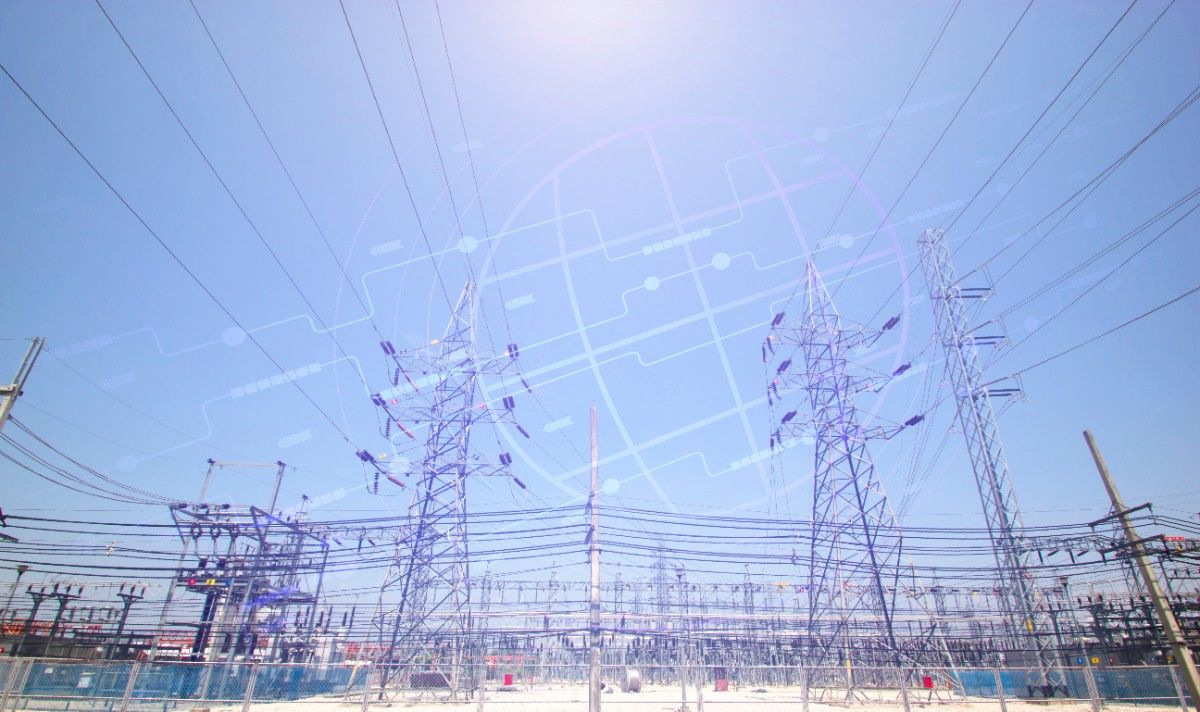
Electric utility asset management software is a platform that tracks transformers, substations, distribution lines, switchgear, and smart meters through their complete lifecycle, from installation to replacement, while maintaining the compliance records NERC CIP and state PUC requirements demand. It connects asset condition, maintenance history, work orders, and capital planning in a single system so field operations and capital investment decisions run on current data rather than spreadsheet estimates. The SMART360 asset management module is built for electric utilities in the 3,000 to 500,000 meter range and includes GIS mapping, AMI integration, and compliance documentation as base features.
Electric utility asset management software is a purpose-built platform for the specific infrastructure an electric distribution utility operates. That specificity matters. General-purpose computerized maintenance management systems (CMMS) are designed for facility equipment in manufacturing or building management contexts. They track maintenance schedules, but the data model is not built for a branching distribution network with transformer-level condition monitoring, NERC CIP compliance obligations, and outage correlation requirements.
Purpose-built electric utility asset management software handles the data structures that matter for electric distribution: transformer oil test records and load history, substation equipment classified by NERC CIP criticality tier, distribution line segments mapped to GIS coordinates, and AMI meter records tied to billing data. For a full overview of what utility asset management software covers across water, electric, and gas utilities, what is utility asset management software covers the complete asset lifecycle framework.
Not all platforms cover the full scope of electric distribution infrastructure. Before evaluating vendors, confirm the system manages every asset class in your network:
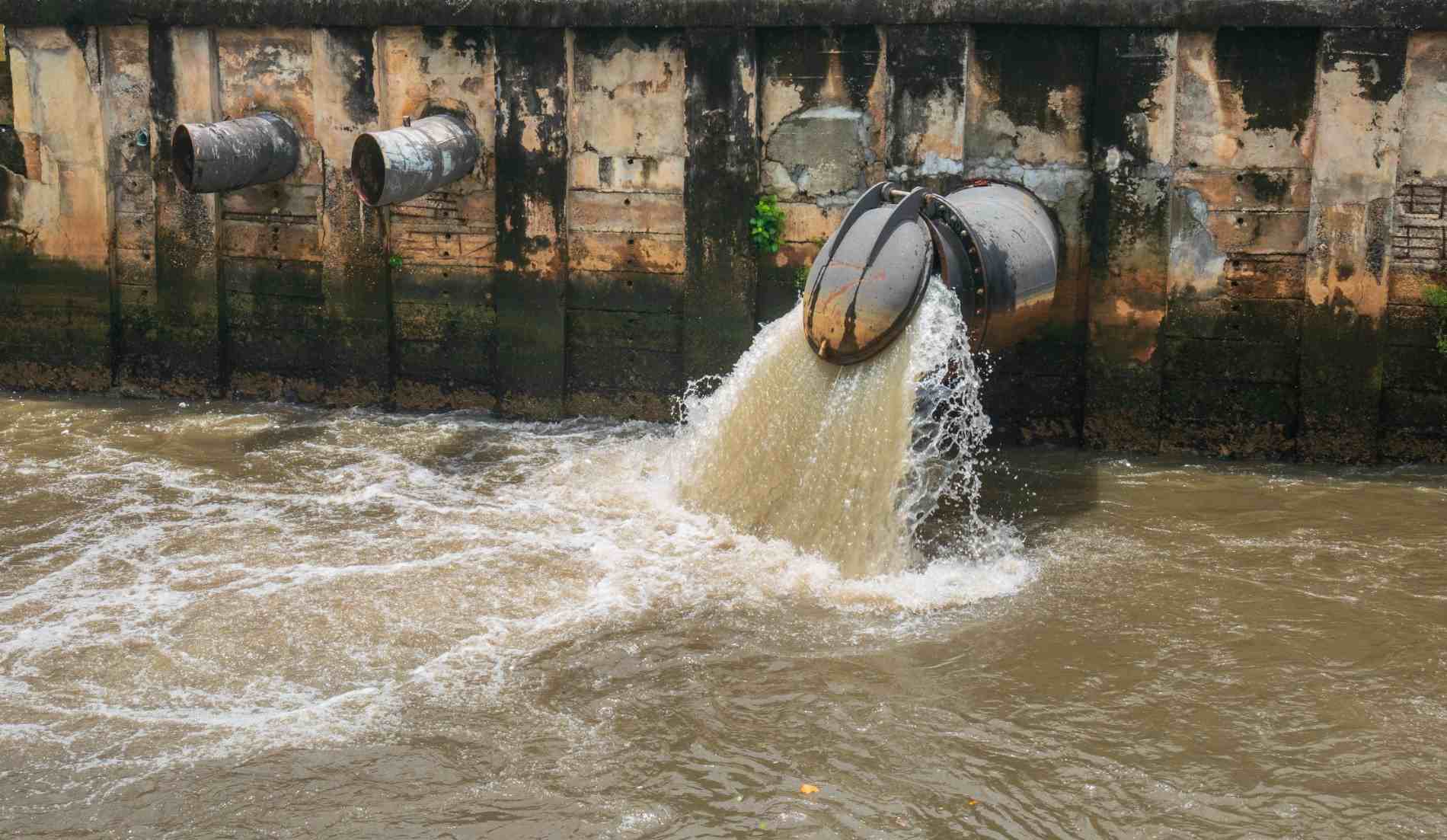
Electric and water utilities share the same core asset management problem: aging infrastructure managed reactively rather than systematically. The operational requirements and regulatory frameworks are distinct, however, and a platform that handles one well does not automatically handle the other.
Water utilities manage corrosion risk in branching pipe networks and track EPA and state PUC compliance. Electric utilities manage load-based degradation in transformer and substation equipment and track NERC CIP reliability standards with penalties that can reach $1 million per violation per day. The data fields that matter are different: water pipes need material type and cathodic protection records; electric transformers need oil test chemistry and load cycling history. A platform purpose-built for utility infrastructure handles these distinctions in its data model without requiring custom configuration.
For the water-specific feature set, including pipe condition scoring, pressure zone management, and AWIA compliance documentation, asset management software for water utilities covers the requirements that apply to water distribution networks specifically.
These are baseline requirements for electric utilities. If a vendor cannot demonstrate all six in a reference deployment at an electric utility your size, continue evaluating before committing.
Is your utility's capital improvement plan built on current asset condition data, or on the age of assets that have not failed yet?
The business case for electric utility asset management software starts with the cost gap between a planned replacement and an emergency repair. A transformer that fails without warning requires emergency crew dispatch, overnight parts sourcing, and, depending on the NERC CIP classification of the affected asset, mandatory regulatory reporting. That sequence typically costs three to five times more than a scheduled replacement of the same unit.
For the full financial model, including cost avoidance calculations and implementation benchmarks across utility types, utility asset management software ROI covers the numbers in detail.
For US electric utilities, compliance documentation is inseparable from asset management. Three frameworks drive the requirements.
NERC CIP (Critical Infrastructure Protection): NERC CIP standards govern the physical and cyber security of bulk electric system assets. Relevant reliability standards require identification and categorization of critical assets, documentation of physical security controls, and audit-ready records of all access events and maintenance activities. Your asset management software should enable automatic asset categorization under NERC CIP criteria and maintain the tamper-evident audit trail required during compliance reviews.
FERC Order 881: FERC Order 881 requires transmission operators to use ambient-adjusted line ratings rather than static seasonal ratings. For utilities operating at transmission voltage, confirm vendor support for tracking temperature-dependent asset ratings explicitly during evaluation.
State PUC inspection requirements: State Public Utility Commissions impose inspection interval requirements on distribution equipment that vary by state and asset type. The asset management system should allow configurable inspection schedules per state PUC requirements and generate automatic alerts when an asset is approaching its required inspection date.
Can your current system generate the documentation your compliance team needs for a NERC CIP audit without a manual records assembly process?
Use this checklist when comparing vendors. Any item in the Must-Have column that a vendor cannot demonstrate is a disqualifier.
SMART360's asset management module is built for the utility infrastructure context, not adapted from a general CMMS. Transformer records include oil test results, load history, and nameplate capacity alongside standard asset fields. Substation equipment supports component-level records with NERC CIP classification fields included in the base data model.
Work order integration is bidirectional: a condition threshold or scheduled maintenance trigger creates a work order, and work order completion writes the repair outcome back to the asset record automatically. GIS mapping is included as a base feature. The 25+ pre-built AMI integrations connect meter data and asset records without custom middleware. Pay-per-meter pricing means a 20,000-meter municipal electric utility pays for 20,000 meters, not a seat-license structure sized for an investor-owned utility.
SMART360 implementations run 20 to 24 weeks, including data migration, configuration, and staff training. Island Water Authority completed a full SMART360 deployment in 8 weeks.
Preventive maintenance is scheduled work performed at fixed calendar or usage-based intervals regardless of current asset condition, for example, inspecting a transformer every three years. Predictive maintenance uses condition data, including temperature readings, oil chemistry results, and load history, to trigger maintenance when the asset's state indicates it is needed. Predictive approaches reduce unnecessary maintenance labor while catching actual failures before they produce unplanned outages.
Purpose-built platforms support integration with SCADA systems and GIS environments, but the depth varies significantly by vendor. During evaluation, confirm whether the integration is a live bidirectional data feed or a scheduled file export. For GIS, confirm support for your specific platform. Esri ArcGIS is the dominant standard in US utilities. SMART360 supports GIS integration and connects to SCADA data streams through its pre-built integration library.
At minimum: automatic asset categorization under NERC CIP reliability standards, tamper-evident audit trails for all maintenance and access events, configurable inspection schedules aligned to CIP timelines, and exportable compliance reports formatted for NERC audit submission. Confirm that the vendor has experience implementing for utilities subject to NERC CIP requirements specifically.
Implementation timelines depend on platform complexity and data readiness. Enterprise implementations average 12 to 18 months. Cloud-native platforms designed for small and mid-sized utilities deploy in 20 to 24 weeks when data migration is managed systematically. The primary variable is data readiness: utilities with structured existing asset records implement faster than those starting from paper-based inspection logs.
Bynry Inc.
8 The Green STE.R,
Dover, Kent,
Delaware 19901
+1 732-630-0285
Bynry Inc.
Serene Tower, Pakharbaug
Pune, Maharashtra 411021
+91 93252-51217