



Wastewater data management software automates EPA compliance reporting and consolidates treatment data. A practical guide for US utility managers.
For US Utilities serving 3,000-100,000 meters and for operations team, billing team and utility managers. For Heads of Billing who own collections accuracy and revenue leakage.
Wastewater data management software is a digital platform that collects, stores, validates, and reports the operational data a wastewater treatment plant generates, then automates the compliance reports regulators require under NPDES permits. It replaces the manual work of pulling readings from SCADA screens, entering them into spreadsheets, and reconciling lab results before each submission. For a small utility, it closes the gap between the data the plant produces every day and the data the permit requires you to file on time.
Reporting and monitoring deficiencies, missed Discharge Monitoring Report deadlines, incomplete sampling records, data filed outside permit parameters, are among the most common Clean Water Act compliance problems at municipal facilities in EPA enforcement records. For a director running a small wastewater system with a 12-person team, the gap between the data the plant generates and the data the permit demands on time is not a technology gap. It is an administrative capacity gap, and wastewater data management software is built to close it.
This guide covers what the software is, the EPA rules driving adoption, the capabilities that matter, and how it connects to billing. It is written for US municipal water and wastewater utilities. The platform that consolidates these operations is the water utility management software that treatment data ultimately feeds.
Wastewater data management software collects, stores, validates, and reports the operational data produced by treatment processes, aggregating readings from plant sensors, laboratory systems, and field meters into one record and automating the reports required under National Pollutant Discharge Elimination System (NPDES) permits. It is distinct from general water utility management software: the latter runs the full distribution and billing lifecycle, while wastewater data management focuses on treatment-side data collection, regulatory reporting, and the link between plant operations data and billing.
Do you know how many separate systems your compliance data lives in right now?
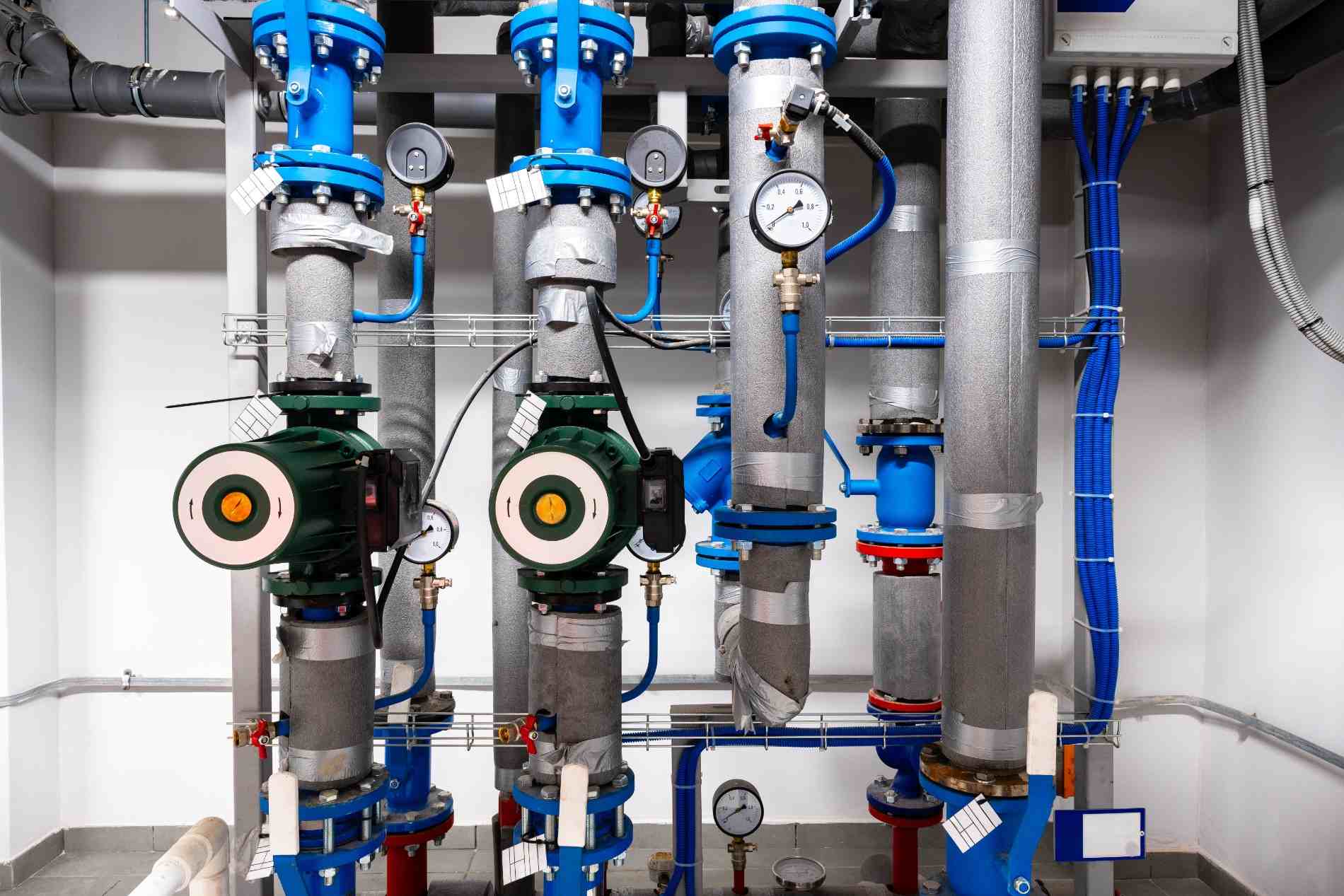
A treatment plant generates dozens of continuous data streams across every stage. The primary categories a US municipal utility manages are:
Most small utilities collect this across at least three systems that do not talk to each other. The data-management platform is the consolidation layer.
The consolidation problem is the same one utilities face on the distribution side; see how a unified water utility data management foundation turns scattered readings into one auditable record.
Could you produce a clean 36-month compliance record if an inspector asked tomorrow?
The NPDES program, established under Clean Water Act Section 402, requires a permit for any pollutant discharge to US waters, with defined effluent limits, monitoring frequencies, and reporting deadlines. The compliance instrument is the Discharge Monitoring Report (DMR), filed to state agencies and the EPA through NetDMR, monthly for major facilities and quarterly for minor ones, with no grace period. Utilities that miss deadlines or report exceedances without corrective action are classified into Significant Non-Compliance, which triggers formal enforcement.
Three pressures are driving software adoption that manual processes cannot absorb at once: rising monitoring frequency, more parameters as nutrient standards tighten, and flat or shrinking administrative staff. The Water Environment Federation documents this widening gap between data requirements and capacity as a primary driver of technology adoption. The same regulatory rigor applies across water compliance generally, covered in water utility regulatory compliance.
Not every platform labeled this way delivers the same thing. These six capabilities are the operational baseline.
How many hours does your billing team spend each cycle moving flow numbers between systems by hand?
In most municipal utilities, treatment operations and billing run on separate systems that never communicate, and the gap is where billing errors accumulate. It matters for two account types. Industrial pretreatment customers are billed on the volume and strength of what they discharge, calculated from flow-meter and sampling data that live in the plant's systems; if that data sits apart from billing, someone reconciles it by hand every cycle. Residential and commercial customers on tiered or conservation rates benefit from flow data that links consumption to discharge assumptions automatically. A platform with 25 or more pre-built integrations connecting SCADA, LIMS, and the billing CIS removes that manual bridge, supporting up to a 50 percent improvement in billing accuracy on flow-based accounts, which also cuts the disputes and credit adjustments staff handle. For the metering-data side of that connection, see affordable meter data management for small utilities.
Are you comparing feature lists, or checking whether it fits your actual plant?
The most common evaluation mistake is comparing feature lists; what you are really testing is whether the software works in your environment without a multi-year project that disrupts compliance cycles. Work through this checklist:
Wastewater data also feeds asset condition and maintenance planning; see how utilities approach asset management for water and wastewater utilities. The contrast between the manual and automated approaches is stark:
A DMR is the standardized regulatory form US wastewater utilities submit to state agencies and the EPA documenting measured effluent quality against NPDES permit limits. It requires aggregating data from SCADA sensors, laboratory results, and flow meters on a fixed schedule. Specialized software automates that aggregation and validates data against permit parameters before submission, reducing the error rate and staff time of manual DMR preparation.
Modern platforms connect to SCADA through standard protocols, most commonly OPC-UA or MODBUS, or through a direct API to the SCADA historian, so the software pulls real-time and historical readings without manual transcription. The key question for any vendor is whether the integration is native and maintained or custom-built, because custom integrations carry long-term maintenance risk that native connections avoid.
Yes. For a utility operating under multiple NPDES categories, such as separate outfall permits or a combined municipal and industrial pretreatment program, purpose-built platforms run multiple permit configurations in parallel. Each permit's parameters, frequencies, and schedules are configured separately, with the system tracking compliance against each independently while consolidating records in one audit-ready repository.
A LIMS manages laboratory workflows specifically: sample tracking, chain of custody, analyst assignments, and results storage. Wastewater data management software operates more broadly, aggregating data from LIMS, SCADA, and field meters into a unified compliance and reporting platform. Most small utilities do not need a full LIMS; they need a platform that can receive lab results, in-house or third-party, and combine them with sensor data for DMR preparation.
For a small wastewater utility, the risk is rarely the treatment itself, it is proving compliance on time with a lean team. Wastewater data management software closes that gap by consolidating SCADA, lab, and flow data, validating it against your permit, and producing audit-ready DMRs on schedule. See how a unified water utility management platform connects treatment data to billing and compliance, so the data your plant already generates becomes the report your permit requires.
Bynry Inc.
8 The Green STE.R,
Dover, Kent,
Delaware 19901
+1 732-630-0285
Bynry Inc.
Serene Tower, Pakharbaug
Pune, Maharashtra 411021
+91 93252-51217