




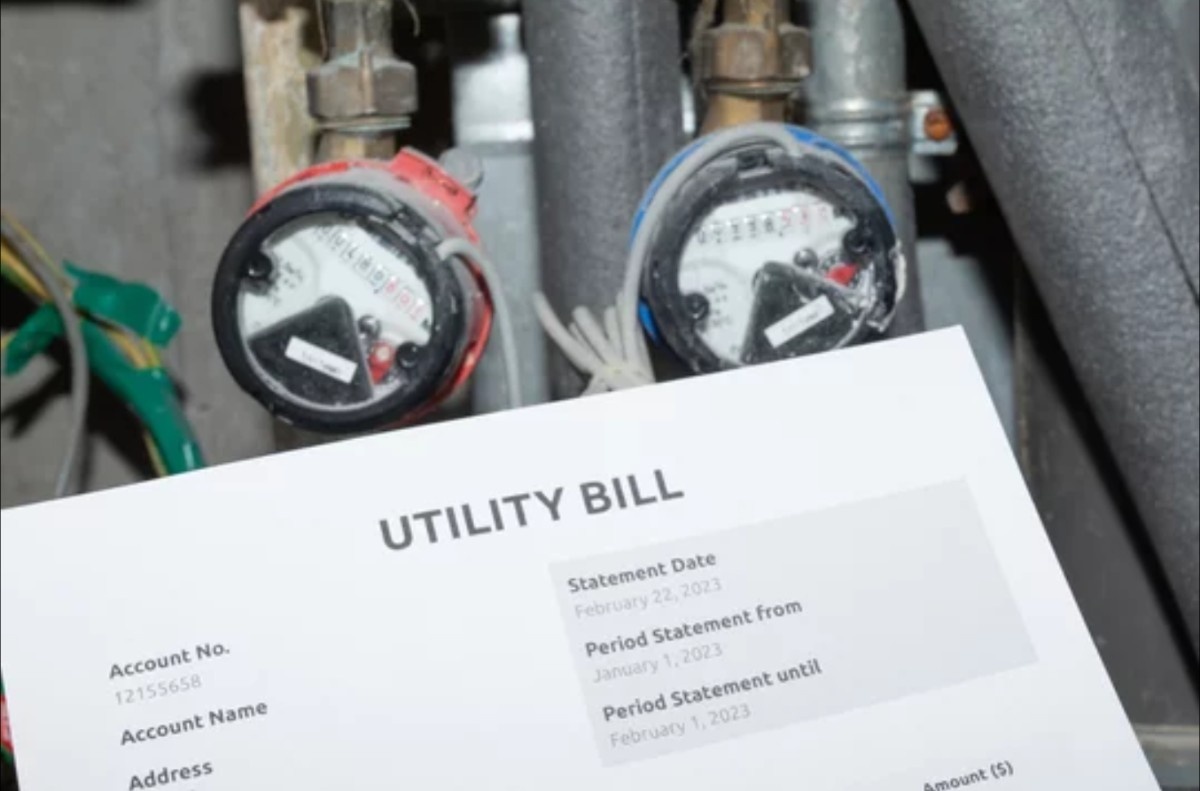
This guide covers what it must handle, how to evaluate options, and how a five-phase implementation works for mid-market water utilities.
For US Utilities serving 3,000-100,000 meters and for operations team, billing team and utility managers. For Heads of Billing who own collections accuracy and revenue leakage.
A water bill management system is the software layer that takes raw meter read data and turns it into accurate, delivered bills. It handles rate calculation, exception detection, invoice generation, payment collection, and customer communication for water utilities. For utilities with AMI deployments, a modern water bill management system connects directly to the head-end, eliminating the flat-file import and manual exception workflows that drive most billing errors.
Not every billing platform can handle the operational realities of a water utility. Tiered volumetric rates, seasonal rate schedules, multi-service accounts, and NRW anomaly detection all require logic that generic billing tools typically lack. Before evaluating any system, define the functional requirements specific to water billing.
SMART360 by Bynry is a utility billing platform built for water utilities in the 3,000-100,000 meter range, covering all of the requirements below in a single system.
A purpose-built water bill management system must handle:
For a detailed look at how these requirements translate into platform evaluation criteria, see Water Utility Billing Software: Must-Have Features (2026).
Every step in the manual billing process is a point where utility expenses accumulate without producing revenue. Understanding how utility expenses are classified and tracked clarifies why each automation below reduces cost directly.
Utilities that have replaced manual and legacy billing workflows with integrated platforms report up to 50% improvement in billing accuracy and up to 80% reduction in customer call volume after self-service portal deployment.
The requirements list above narrows the field. These questions complete the shortlist.
Does the system support your full rate schedule complexity?
Water utilities with tiered volumetric rates, budget billing programs, and seasonal adjustments need a rate engine that billing staff can configure directly. If rate changes require a vendor change request, every rate case adds weeks of vendor coordination to an already compressed schedule.
Does it include native AMI integration, or does it require separate MDM procurement?
Some billing platforms require a separate meter data management (MDM) system to sit between the AMI head-end and the billing engine. That adds a procurement, a contract, and an integration point. Platforms with 25 or more pre-built AMI connectors eliminate this layer entirely.
What is the realistic implementation timeline for a utility of your size?
Enterprise billing platforms sized for large investor-owned utilities require 18-24 months to implement. Cloud-native platforms designed for utilities in the 3,000-100,000 meter range complete the full implementation in 20-24 weeks, including data migration, parallel testing, and staff training.
For a focused look at how billing error rates translate into real revenue leakage, see Reduce Billing Errors and Revenue Leakage: Water Utility Guide.
Implementation follows the same five-phase sequence regardless of platform. The steps below apply to cloud-native platforms designed for mid-market water utilities.
Step details:
For utilities replacing a CIS alongside the billing system, see Billing Software for Small Water Utilities: What to Look For for guidance on matching platform scale to operational capacity.
A water bill management system handles the full meter-to-cash cycle for a water utility: collecting meter read data, calculating usage against the current rate schedule, generating bills, processing payments, managing exceptions, and producing regulatory and operational reports. Modern cloud-native platforms integrate directly with AMI head-end systems and include a customer self-service portal as a built-in module, rather than a separate product.
For mid-market water utilities in the 3,000-100,000 meter range, cloud-native platforms complete implementation in 20-24 weeks, including data migration, parallel testing, staff training, and go-live. The primary variable is data quality: a clean account data extract from the legacy system shortens the migration phase significantly. Enterprise platforms designed for large investor-owned utilities require 18-24 months, making them impractical for utilities without dedicated multi-year IT project capacity.
A water bill management system focuses specifically on the billing cycle: meter reads, rate calculation, invoice generation, and payment collection. A customer information system (CIS) manages the broader customer account record, including service history, work orders, AMI data, and communication logs, with billing as one module within the platform. For water utilities replacing a legacy billing system that has grown disconnected from the account record, a unified CIS eliminates the synchronization overhead between separate billing and account management tools.
Billing history, payment records, and account records are exported from the legacy system and migrated to the new platform as part of the data migration phase. Most migrations bring 24-36 months of billing and payment history into the new system. For a detailed breakdown of what transfers and what does not, see Water Utility CIS Data Migration: What Moves and What Doesn't.
Bynry Inc.
8 The Green STE.R,
Dover, Kent,
Delaware 19901
+1 732-630-0285
Bynry Inc.
Serene Tower, Pakharbaug
Pune, Maharashtra 411021
+91 93252-51217