
For US Utilities serving 3,000-100,000 meters and for operations team, billing team and utility managers. For Heads of Billing who own collections accuracy and revenue leakage.
DERMS software, short for distributed energy resource management system, is the software an electric utility uses to see, forecast, and coordinate the rooftop solar, batteries, electric vehicle chargers, and flexible loads connected to its distribution network, individually and in aggregate. It exists because uncoordinated distributed energy can cause voltage and line capacity problems on circuits that were designed for one-way power flow. A DERMS handles the grid side of that change, but the same growth also strains billing and customer systems, which have to track customer-owned devices, two-way meter reads, and export credits accurately.
The National Renewable Energy Laboratory describes distributed energy resource management systems as systems that let utilities apply the capabilities of flexible demand-side resources and "manage diverse and dispersed DERs, both individually and in aggregate" (NREL). In practice, a DERMS gives the distribution utility visibility into distributed resources on its system and the ability to coordinate them so that circuits stay within voltage and capacity limits.
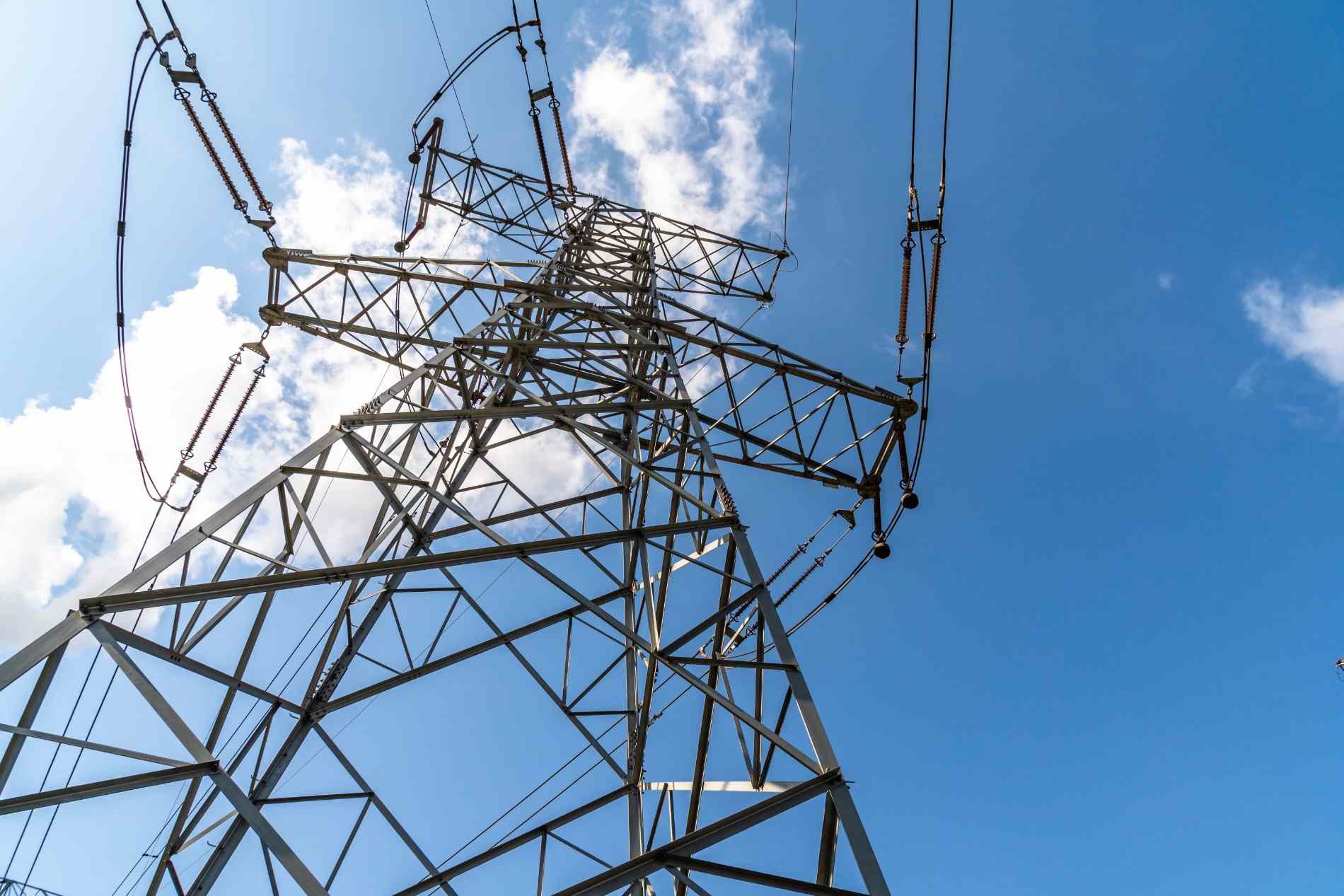
The need is new for most utilities. Distribution circuits were built to carry power one way, from the substation to the customer. When a neighborhood adds rooftop solar, home batteries, and vehicle chargers, power flows both ways and demand shifts in ways that the original circuit design did not anticipate. Left uncoordinated, those resources can push voltage out of range or overload lines on a sunny afternoon or a winter evening.
DERMS software sits on the grid operations side of the utility. It is not the system that bills customers or keeps their accounts, and it depends on those systems being accurate. The customer, meter, and rate records that live in a utility's electric utility management platform are where a customer-owned solar array, battery, or charger is enrolled, metered, and billed. A DERMS project works best when those records are already clean.
The term is still used loosely. Depending on the vendor, "DERMS" can mean anything from a utility-wide control system to a platform that manages a single aggregator's customer devices, which is why the comparison later in this guide separates the related categories.
The Federal Energy Regulatory Commission describes distributed energy resources as small-scale generation or storage, typically from 1 kW to 10,000 kW, located on the distribution system or behind a customer meter (FERC). For a distribution utility, the categories that matter most are:
The mix and pace differ widely between utilities. A rural cooperative may have a handful of solar arrays, while a suburban municipal utility may see chargers and batteries arriving faster than its planning assumed. Our overview of electric utility industry trends places distributed energy growth alongside the other pressures electric utilities are managing.
DERMS products differ, but the core workflow follows the life of a distributed resource on the utility's system.
Steps one and six are where a DERMS depends most on the utility's customer and billing systems. The customer record identifies who owns the resource, and settlement only works if program credits land on the right account in the right billing period.
Several categories of grid software overlap with DERMS, and vendors use the names inconsistently. NREL's work on integrating microgrids, aggregators, and DERMS describes these as different layers of coordination rather than competing products (NREL).
Two practical points follow from the table. First, a microgrid controller manages what is inside its boundary, while a DERMS manages how many resources, including microgrids, interact with the wider distribution system; this is why larger microgrid deployments often connect to a utility DERMS rather than replace it. Second, DERMS and ADMS are complementary: the ADMS runs the network, and the DERMS coordinates the resources connected to it. Many utilities evaluate them together.
Most discussion of distributed energy focuses on the grid. The billing and customer side receives less attention, and it is often where problems reach customers first.
Every customer-owned solar array, battery, or enrolled device changes how that customer's account has to be handled:
Can your billing system apply export credits and net metering rules without a manual adjustment on every bill?
Does your customer record show which accounts have solar, batteries, or enrolled devices, and when they were interconnected?
When a customer is enrolled in a demand response program, do program credits reach the right bill automatically?
When the answers are no, distributed energy growth becomes a billing workload. Each new solar customer adds manual steps, each program adds a spreadsheet, and billing errors on these accounts produce the most complicated disputes a customer service team handles. Our electric utility billing software guide covers the rate and billing capabilities electric utilities should require, including the complex rate structures that distributed energy introduces.
A DERMS coordinates distributed resources on the grid. It does not bill customers, keep their accounts, or manage the long-term records of the equipment on their premises. Those jobs belong to the utility's operational systems, and a DERMS project succeeds or struggles depending on how well those systems are kept.
The boundary is clearest at three records:
A utility that cannot answer "which accounts have rooftop solar" from its own records will find a DERMS rollout slow, because the DERMS has to be populated from somewhere.
SMART360 is not a DERMS and does not control inverters or dispatch distributed resources. It is the operational platform where those supporting records live:
Our guide to electric utility asset management software covers keeping equipment records current across the distribution system.
The honest answer depends on how much distributed energy is on the system and how fast it is growing. A utility with a small number of solar interconnections and no storage or managed charging programs rarely needs a dedicated DERMS yet. What it does need is clean interconnection records, a billing system that handles export credits correctly, and asset records that show where customer-owned resources are connected.
The need changes as distributed energy concentrates. Coordination becomes an operational need rather than a planning topic when:
Regulation also plays a role. FERC Order No. 2222 opened the organized wholesale markets run by regional grid operators to aggregations of distributed energy resources (FERC). For distribution utilities in those regions, aggregated resources on their circuits may participate in wholesale markets, which raises the importance of knowing what is connected and how it behaves. Utilities outside those markets face less of this pressure but the same local grid effects.
For most small and mid-sized utilities, the sensible sequence follows the volume of distributed energy on the system:
DERMS, or distributed energy resource management system, is software an electric utility uses to monitor, forecast, and coordinate distributed energy resources such as rooftop solar, batteries, electric vehicle chargers, and flexible loads on its distribution system. It helps keep circuits within voltage and capacity limits as two-way power flow increases.
An advanced distribution management system runs the distribution network itself: switching, outage response, and voltage control. A DERMS coordinates the distributed resources connected to that network. They are complementary, and many utilities evaluate and integrate them together.
A microgrid controller manages the resources inside one microgrid, including separating from the main grid. A DERMS coordinates how many resources, including microgrids, affect the wider distribution system. As microgrids grow in number and size, connecting them to a utility DERMS lets the utility account for their behavior on the circuits around them.
DERMS products come from several kinds of vendors: grid software companies that also offer ADMS and SCADA, specialist distributed energy platforms, and aggregator platforms that manage customer devices. Because the term covers different scopes, compare vendors on which resources they coordinate, how they connect to your ADMS, and how they exchange data with your customer and billing systems.
Usually not until distributed energy causes measurable grid effects or the utility launches storage or demand response programs. Before that point, the priority is accurate interconnection records, billing that handles export credits and net metering correctly, and asset records that show where customer-owned resources are connected.
Distributed energy puts new demands on the records a utility already keeps. SMART360 manages customer accounts, two-way meter reads, complex rate structures, and asset records for meters and behind-the-meter devices on one platform, so the customer and billing side of distributed energy stays accurate as it grows.
Bynry Inc.
8 The Green STE.R,
Dover, Kent,
Delaware 19901
+1 732-630-0285
Bynry Inc.
Serene Tower, Pakharbaug
Pune, Maharashtra 411021
+91 93252-51217