

How SMART360 aligns with Bynry UN Sustainable Development Goals, SDG 6, 7, 9, 11, and 12, through measurable utility outcomes.
For US Utilities serving 3,000-100,000 meters and for operations team, billing team and utility managers. For Heads of Billing who own collections accuracy and revenue leakage.
The work utilities do maps directly onto several UN Sustainable Development Goals, and the software running that work either helps or gets in the way. SMART360 by Bynry contributes to five goals in particular: SDG 6 (clean water and sanitation), SDG 7 (affordable and clean energy), SDG 9 (industry, innovation, and infrastructure), SDG 11 (sustainable cities and communities), and SDG 12 (responsible consumption and production). It does this not through pledges but through operational capability: reducing non-revenue water, making consumption visible to customers, extending infrastructure life, and giving small utilities the reporting to evidence it. This guide explains the mapping and how to present it in an RFP or ESG report.
Utilities are increasingly asked to show how they contribute to sustainability goals, whether by a board, a regulator, or an ESG-conscious RFP. The platform a utility runs on shapes what it can actually deliver and prove. Software that hides where water is lost or cannot produce an efficiency report makes SDG progress hard to demonstrate, however good the intent.
This guide maps SMART360 capabilities to the UN Sustainable Development Goals, explains what SDG alignment means for a software decision, and gives a sequence for documenting it in an RFP or ESG report. Utilities evaluating a platform on these terms can start with SMART360 for water utility management, built for the 3,000 to 100,000 connection range where most municipal utilities sit.
SDG alignment is not a badge on a website. For a utility, it is whether the day-to-day platform produces measurable outcomes the goals describe. That distinction matters when the alignment has to survive an RFP evaluation or an auditor's question. Real alignment shows up as:
A platform that cannot measure a loss cannot help a utility reduce it, and cannot help the utility prove progress against any goal. Capability, not intent, is what a serious evaluator checks.
Each goal below connects to a specific, verifiable SMART360 capability rather than a general claim. This is the mapping a utility can defend in an RFP response.
The mapping is deliberately narrow. SMART360 is utility management software, not a carbon-accounting tool, so it contributes to the goals a utility platform can genuinely influence rather than claiming the whole framework.
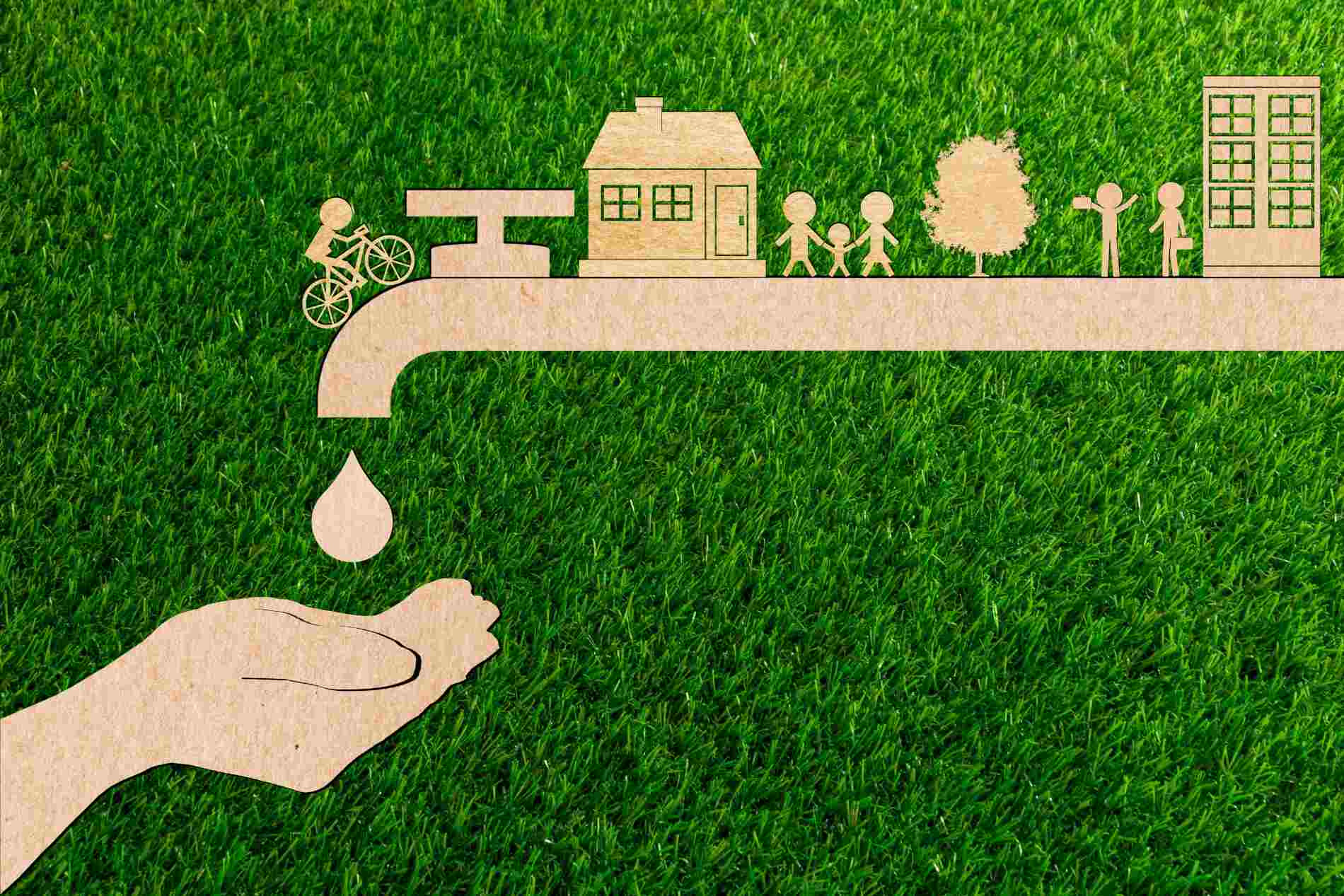
For a water utility, the clearest SDG contribution is reducing the treated water lost before it reaches a meter. Non-revenue water wastes both the water and the energy used to move and treat it. A platform that compares production against billed consumption makes that loss visible and correctable, which is the operational core of SDG 6 for a utility. The practice behind it is covered in the guide to sustainable water management for utilities.
Island Water Authority deployed SMART360 across billing, CIS, meter data, and a consumer portal for 28,000 households and achieved a 92% reduction in billing errors and a 47% operational cost reduction. Accurate billing and lower operational cost are SDG 6 outcomes as much as financial ones: less wasted water, less wasted effort, and bills that reflect real use.
Can your platform show where water is lost?
If the honest answer is no, the utility cannot evidence progress on SDG 6 no matter how committed it is. Visibility of loss is the prerequisite for reducing it, and for reporting the reduction.
SDG 7 (affordable and clean energy) connects to how a utility bills and manages electric and gas service, and how visible consumption is to customers who want to use less. SDG 9 (industry, innovation, and infrastructure) connects to modernization: a cloud-native platform replaces fragmented legacy systems and, through condition-based maintenance, extends the life of infrastructure already in the ground rather than forcing early replacement.
Both goals are served by the same shift the sector is undergoing, covered in the overview of water utility technology trends. Modernizing the platform is what makes the efficiency and transparency the goals describe achievable for a small utility team.
Claiming SDG alignment is easy; evidencing it is what an RFP evaluator or auditor checks. Document it in this order so the claim holds up.
The reporting itself should draw on operational data rather than a manual assembly each cycle. The overview of water utility regulations and compliance software covers how stewardship reporting can be built into daily operations.
Can you evidence efficiency for an ESG report without a manual data pull?
If proving alignment means exporting from three systems into a spreadsheet, the reporting burden will limit how often you can do it. Alignment that runs off operational data is the difference between an ESG statement and an ESG record.
For an enterprise buyer or an ESG-conscious RFP, SMART360 offers a defensible mapping: specific capabilities tied to specific goals, with measurable outcomes drawn from operational data. It does not claim a formal UN designation or carbon certification, because that is not what utility management software provides. What it provides is the operational evidence, reduced water loss, accurate billing, consumption transparency, and extended asset life, that lets a utility demonstrate real contribution rather than intent. Utilities weighing the platform change that underpins this should review the guide to modernizing legacy water utility technology.
SMART360 contributes to five goals a utility platform can genuinely influence: SDG 6 (clean water and sanitation) through non-revenue water reduction and accurate billing; SDG 7 (affordable and clean energy) through electric and gas billing and consumption visibility; SDG 9 (industry, innovation, and infrastructure) through cloud-native modernization and asset-life extension; SDG 11 (sustainable cities and communities) by equipping small municipal utilities; and SDG 12 (responsible consumption and production) through consumer usage transparency.
The SDG alignment described here is capability alignment, not a formal UN certification or designation. SMART360 is utility management software, and it contributes to the goals through operational outcomes such as reduced water loss, accurate billing, and consumption transparency. A utility can present these outcomes as measurable evidence of contribution to the goals in an RFP or ESG report.
Map each goal you claim to a specific platform capability, attach a measurable outcome you can report, and confirm that outcome is auditable from operational data. Claim only the goals the platform genuinely influences, and note where it does not, which strengthens credibility. Report on a schedule so the alignment reflects current operations rather than a one-time statement.
Reducing non-revenue water, the treated water lost before it is billed, directly supports SDG 6 by conserving water and SDG 7 by saving the energy used to move and treat it. A platform that compares production against billed consumption makes the loss visible, which is the prerequisite for reducing it and for reporting the reduction as evidence of SDG progress.
Bynry Inc.
8 The Green STE.R,
Dover, Kent,
Delaware 19901
+1 732-630-0285
Bynry Inc.
Serene Tower, Pakharbaug
Pune, Maharashtra 411021
+91 93252-51217