


Six metering trends reshaping utility programs in 2026: AMI expansion, interval billing, TOU rate growth, NRW analytics, SaaS MDM, and real-time customer data.
For US Utilities serving 3,000-100,000 meters and for operations team, billing team and utility managers. For Heads of Billing who own collections accuracy and revenue leakage.
The six utility metering trends shaping 2025 and 2026 are: continued AMI infrastructure expansion, interval data becoming the standard billing input, TOU and demand-charge rate adoption, non-revenue water detection using meter analytics, migration from on-premises to SaaS MDM platforms, and real-time consumption data reaching customer portals. Each trend requires a different software capability to operate, and the MDM platform is the layer that determines whether a utility can act on most of them. This guide covers what each trend involves operationally and what your metering program needs in place to support it. The SMART360 meter data management platform is designed around the interval data and integration requirements these trends create.
The utility metering landscape has been in a multi-year transition from end-of-period scalar reads toward continuous interval data. That transition accelerates in 2025 and 2026 across six operational dimensions:
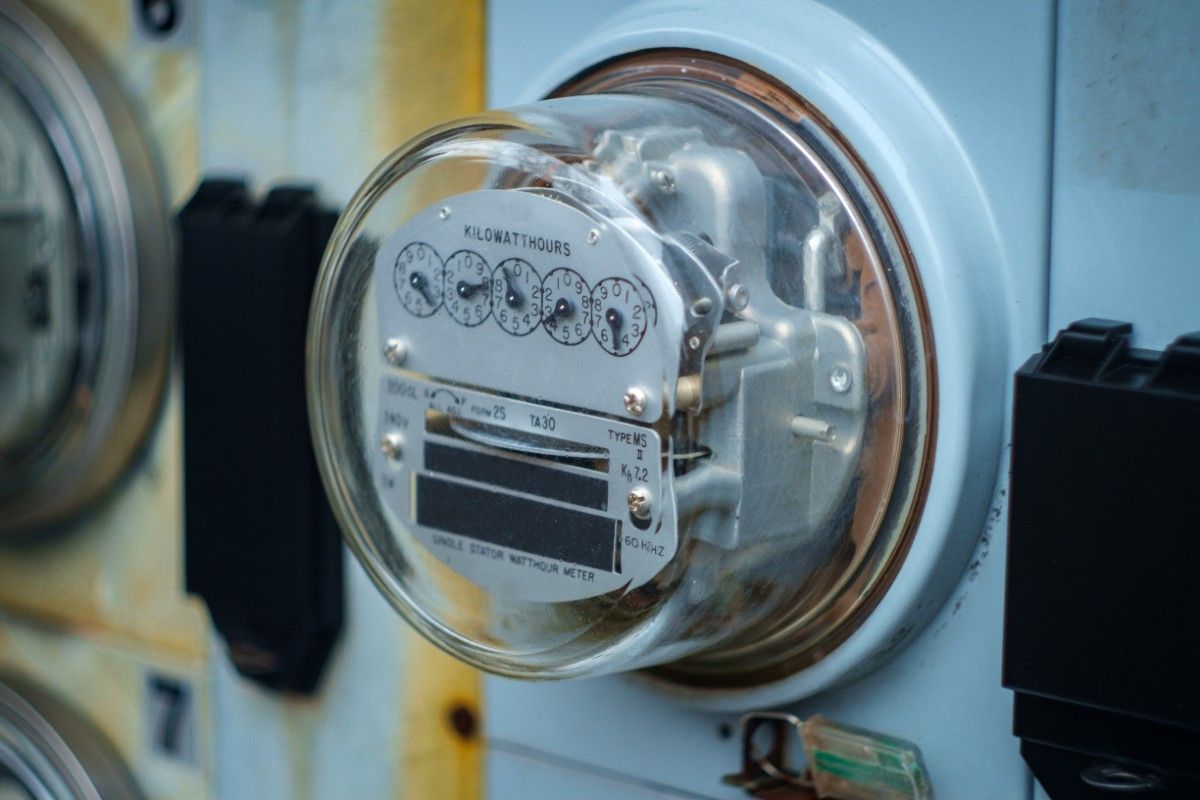
The AMI expansion trend has two distinct populations driving it in 2025. The first is utilities that deployed first-generation AMI hardware in the 2010s and are now managing aging communication hardware, firmware compatibility issues, and head-end software that predates the open-protocol standards now common in AMI deployments. These utilities are entering a selective replacement cycle, often driven by hardware vendor support end-of-life dates rather than a strategic upgrade decision.
The second population is utilities still operating AMR or manual read programs. For these utilities, the gap between what their metering infrastructure delivers and what their billing and customer service operations need has widened each year. Manual read operations generate scalar monthly totals. AMI deployments generate continuous interval data. The difference is not incremental; it is a different data type that requires different software to process.
For a detailed breakdown of what the AMI software stack covers and how to evaluate it, AMI software for utility metering programs covers the components and vendor selection criteria.
The shift to interval data as the billing standard is being driven from two directions in 2025. On the infrastructure side, utilities with AMI deployments are sitting on 15-minute reads that their legacy billing systems and MDM platforms cannot process. On the regulatory and rate design side, TOU rates and demand charges are expanding across utility types and regions, which requires interval-level data to calculate accurately.
A legacy MDMS was designed to receive one monthly scalar read per meter and deliver a billing-period total to the CIS. A Smart MDM platform receives up to 2,880 reads per meter per month at 15-minute resolution, validates every read against VEE rules, and delivers consumption data broken out by rate window to support TOU billing calculations.
Utilities that attempt to run TOU or demand-charge rates on top of a legacy MDMS that aggregates to period totals will face one of two outcomes: either the rate calculations use billing-period averages rather than true interval consumption, reducing the rate design's effectiveness, or the billing team performs manual interval calculations outside the MDM, which does not scale past a small number of accounts.
For how the AMI-to-billing data flow works end to end, AMI MDM integration: how smart meters connect to billing covers the four-step architecture and where the integration typically breaks.
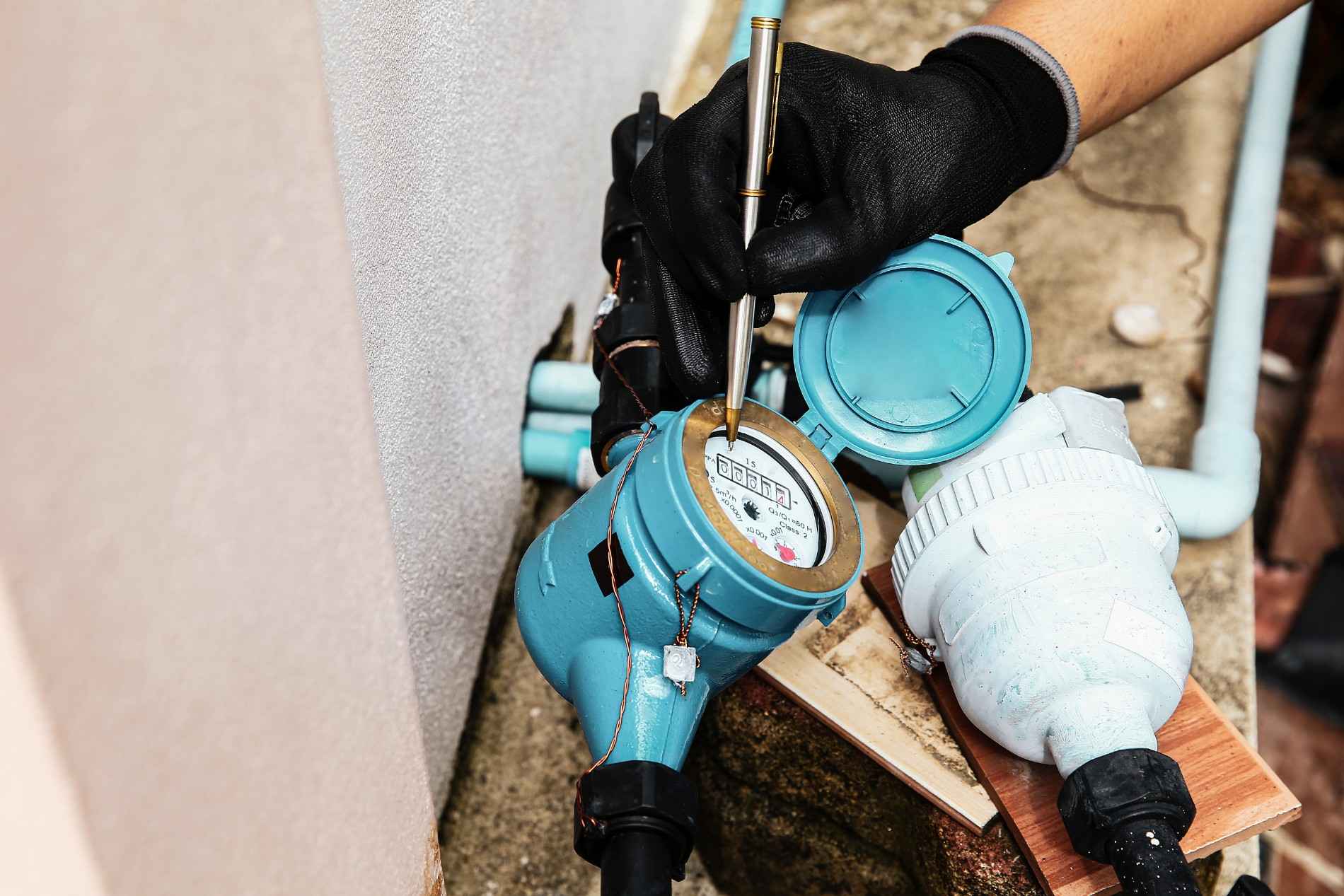
Non-revenue water (NRW) detection is the metering analytics use case that has moved most visibly from pilot to standard practice among small-to-mid-sized utilities in 2025. Traditional NRW investigation compared total production metered at the source against total consumption metered at customer endpoints over a billing cycle. This comparison identified that a loss existed but gave limited information about where in the distribution system it was occurring.
Interval analytics changes the investigation methodology. Instead of comparing billing-cycle totals, utilities compare interval-level production and consumption data across distribution zones. A loss that appears at the billing-cycle level as a 12% discrepancy resolves at the interval level to a 48-hour window during which one zone's consumption diverged from its production input. That zone-level and time-specific information directs field crews to the right location.
The precondition for this analysis is interval data stored in an MDM at the read level, not aggregated to billing-period totals before storage. MDM platforms that aggregate before storage lose the interval resolution that makes zone-level loss timing possible.
For a guide to the reporting and analytics outputs that MDM platforms generate, MDMS reporting and analytics for utilities covers the six report categories and how to configure them for operational use.
The SaaS MDM trend reflects a structural change in how small-to-mid-sized utilities budget for and operate their core metering software. On-premises MDM deployments carried three cost layers that most utilities underestimated at procurement: the server and infrastructure cost, the DBA and system administration labor to maintain the platform, and the periodic upgrade projects that became necessary as AMI data volumes exceeded the system's original design parameters.
SaaS MDM on per-meter pricing eliminates the infrastructure cost and shifts the upgrade responsibility to the vendor. For a utility operating 8,000 meters, the difference between managing a server-based MDM deployment and subscribing to a SaaS platform at per-meter pricing is often a full-time position in IT overhead.
Is your current MDM platform priced in a way that reflects your actual meter count, or does it carry a flat license cost that no longer matches how your utility operates?
Per-meter SaaS pricing also changes the economics of AMI expansion. When MDM cost scales predictably with meter count, a utility can model the software cost of an AMI rollout before the first meter ships. Flat-license platforms with overage clauses for read volume make that modeling unreliable at AMI data volumes.
For the technical architecture that makes modern SaaS MDM different from legacy on-premises systems, what is Smart MDM meter data management explains the interval-data architecture and how it differs from legacy MDMS design.
Does your current metering program have the software infrastructure in place to support each of the six 2025 trends, or is your MDM the limiting factor?
Are your current metering software components ready for the six trends above, or do you need to address one or more layers before you can act on them?
The shift to interval data as the billing standard has the broadest operational impact. Utilities that have deployed AMI but are still processing billing-period scalar totals are not capturing the accuracy, rate flexibility, or analytics capability their infrastructure can deliver. Addressing the MDM layer first unlocks the remaining trends.
The regulatory direction in most US states is toward TOU and demand-charge rate structures for residential and small commercial accounts as smart meter penetration increases. Small utilities that deploy AMI without an MDM capable of supporting interval-level rate calculations will face a second software procurement when rate structures change.
Interval data replaces estimated reads with validated actual consumption for every billing cycle. A utility with 10,000 meters on AMI at 15-minute resolution generates 480,000 reads per day. An MDM running VEE against those reads catches read gaps, flags anomalies, and fills gaps with estimation before any estimated bill is issued. SMART360 customers have reported a 50% improvement in billing accuracy after MDM go-live.
Non-revenue water is the difference between total water produced and billed or authorized water use. It includes physical losses (leaks, main breaks) and commercial losses (meter inaccuracies, billing errors). Interval metering analytics helps by identifying the time and zone where production-to-consumption discrepancies occur, which directs field investigation rather than requiring a full distribution audit.
Bynry Inc.
8 The Green STE.R,
Dover, Kent,
Delaware 19901
+1 732-630-0285
Bynry Inc.
Serene Tower, Pakharbaug
Pune, Maharashtra 411021
+91 93252-51217