
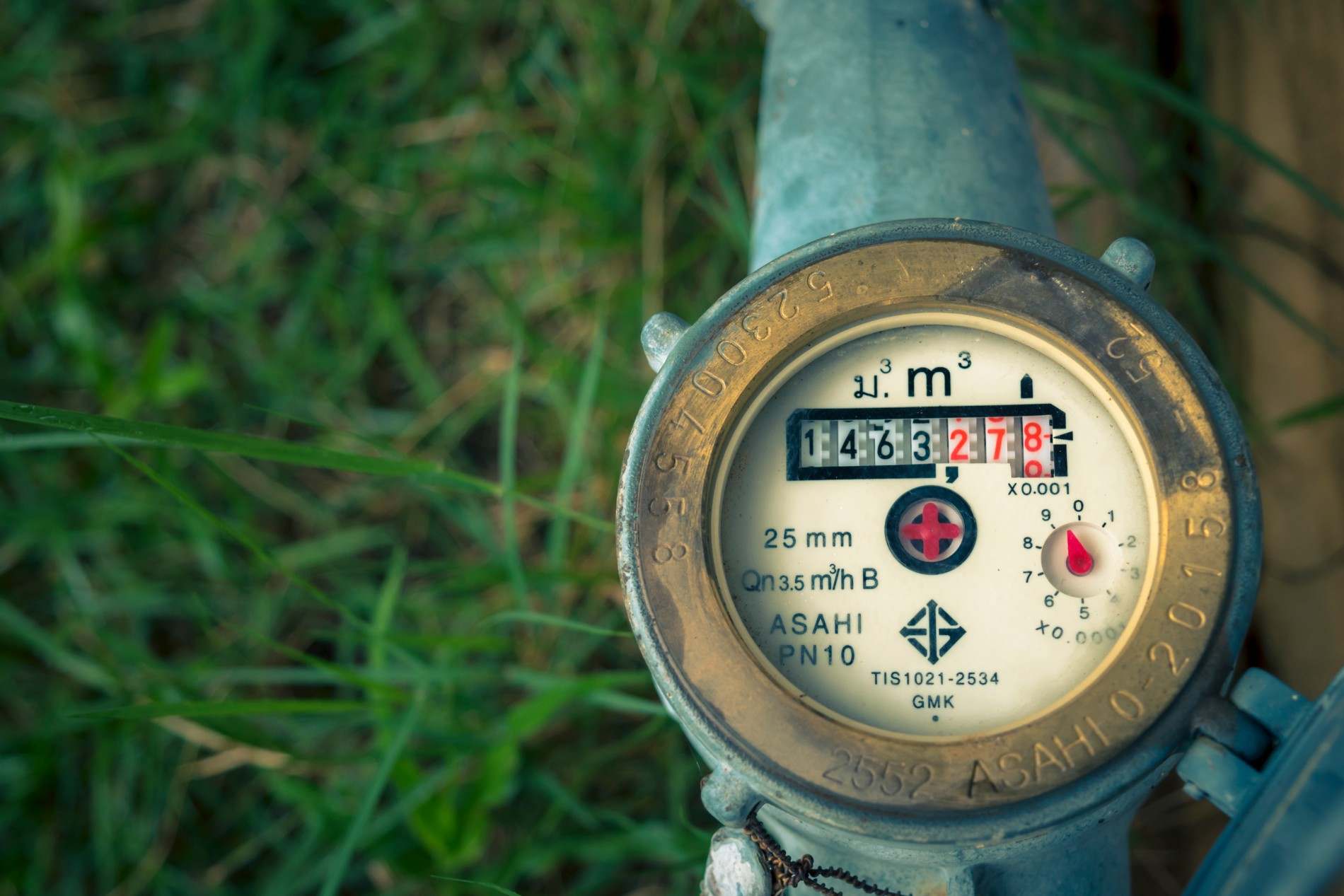



Badger AMR collects reads; the work is getting them into billing. How the read-to-bill integration works, AMR vs AMI, and what to verify.
For US Utilities serving 3,000-100,000 meters and for operations team, billing team and utility managers. For Heads of Billing who own collections accuracy and revenue leakage.
Badger AMR refers to the automatic meter reading technology from Badger Meter, used by water utilities to collect meter reads without a manual walk-up, through mobile drive-by or fixed-network collection. The question most utilities running Badger have is not how to read the meters; it is how to get those reads into billing without a manual file export and import each cycle. A working integration takes Badger reads, validates them, flags exceptions, and posts them to the billing account automatically. A meter data management platform that ingests AMR and AMI reads removes the manual file step between the read system and the bill. This guide covers how Badger AMR reads reach billing, how AMR compares to AMI, and what to verify in the integration.
When your Badger reads come in, do they flow into billing, or land in a file someone imports by hand?
Badger Meter's AMR technology collects consumption reads and delivers them as a data file or feed. On its own, that file is not a bill; it has to reach the billing system, be validated, and post to the right account. The gap between "reads collected" and "reads billed" is where the manual work usually sits. A nonprofit water utility we worked with exported its Badger reads to a file and imported them into its billing system by hand every cycle, which is a common pattern and a common source of delay and error.
The mechanics of moving reads from a meter system into billing, including validation and exception handling, are covered in the AMI and MDM integration guide. The same principles apply to Badger AMR: the value is an automated path from read to bill, not the read itself.
A complete integration does more than move a number. It should:
The exception handling is the part that pays back. A read that imports but is not validated becomes a wrong bill, and a wrong bill becomes a call and a correction.
Are you reading meters automatically, or reading them continuously?
Badger Meter offers both AMR and AMI technology, and the distinction matters for how reads reach billing and what the data can do.
AMR gets consumption reads for billing reliably; AMI adds the continuous data that supports leak detection and customer usage insight. Many utilities run a mix, which the guide to what an MDMS is covers as the system that manages reads regardless of how they arrive.
The difference between exporting Badger reads to a file and integrating them is measured in staff time and error rate.
The manual column is not hypothetical; it is how many utilities on Badger AMR run today. The integrated column is the standard to aim for, because it moves read validation from a monthly scramble to an automated check.
Many utilities on Badger AMR are considering the move to AMI, and the read-to-billing integration is part of that decision, not separate from it. An AMI upgrade changes the volume and frequency of reads, which the billing and MDM side has to handle, and it changes the cost picture, covered in the meter management software pricing guide. A California water district we work with runs a split fleet today, half on Badger AMI and half still read manually, feeding one bill run, which is a common transitional state.
The point for integration is that the read system will change over time, so the connection to billing should handle both AMR and AMI reads rather than being built for only one.
Do you know whether your reads are validated before they bill, or only after a complaint?
Getting Badger reads into billing cleanly is a defined sequence:
The step utilities skip is the meter change. Reads flow fine until a meter is replaced, and a weak integration bills the wrong meter after a swap.
Before relying on the integration, confirm it is a supported capability rather than a one-time script. Ask how reads are pulled and how often, how validation and estimation work, how the integration handles a meter change, and who maintains the connection. Treat "we integrate with Badger" the way you would any integration claim, and ask for a demonstration, using the same evaluation discipline in the guide to choosing a water utility software vendor.
A Badger read workflow is usually more manual than it should be when:
Any one of these means staff time is absorbing what the integration should do, and the cost shows up as delayed bills and corrections.
SMART360 ingests meter reads from AMR and AMI systems, including those from Badger Meter, validates them, and posts them to billing without a manual file import.
The honest detail is the method: rather than assert a specific named connector, SMART360 ingests AMR and AMI reads through its 25+ pre-built integrations and API, and the exact setup for Badger should be confirmed for your configuration. Island Water Authority migrated 15,500 meter details onto SMART360 and cut billing errors by 92% because reads and billing lived on one platform. SMART360 is priced per connection for the 3,000 to 100,000 connection range. The wider view of managing this data is covered in the water utility data management guide.
Badger AMR is the automatic meter reading technology from Badger Meter, used mainly by water utilities to collect meter reads without a manual walk-up, through mobile drive-by, walk-by, or fixed one-way collection. It delivers consumption reads as a data file or feed, which then has to reach the billing system to produce a bill. Badger Meter also offers AMI technology for two-way, near-continuous reads.
Either by exporting the reads to a file and importing them into billing manually each cycle, or through an integration that pulls the reads automatically, validates them, flags exceptions, and posts them to the correct account. The integrated path removes the manual file step and moves read validation from a monthly task to an automated check, which reduces delayed and incorrect bills.
AMR collects meter reads automatically but periodically, usually one-way, through drive-by, walk-by, or fixed collection, and is used mainly to get consumption for billing. AMI uses a fixed two-way network for frequent, near-continuous reads, which adds capabilities such as leak flags, hourly data, and customer usage insight. Badger Meter offers both, and many utilities run a mix during a transition.
SMART360 ingests meter reads from AMR and AMI systems, including those from Badger Meter, and validates and posts them to billing through its 25+ pre-built integrations and its API. Rather than claim a specific pre-built connector in the abstract, the exact integration method for Badger should be confirmed with Bynry for your configuration, which is the honest way to scope any meter-read integration.
Running Badger AMR solves the reading; the value a utility is usually missing is the automated path from read to bill. Confirm how reads reach billing, apply validation on ingest, keep reads mapped through meter changes, and build the connection to handle both AMR and AMI so an upgrade does not break it. Done well, read validation stops being a monthly scramble and becomes an automated check, which is the same data discipline covered in the water utility data management guide. To see how SMART360 ingests and validates AMR and AMI reads, book a demo.
Bynry Inc.
8 The Green STE.R,
Dover, Kent,
Delaware 19901
+1 732-630-0285
Bynry Inc.
Serene Tower, Pakharbaug
Pune, Maharashtra 411021
+91 93252-51217


.jpeg)