


How water utilities set up parks irrigation accounts: service points per meter, irrigation rates, sewer exemptions, seasonal status, and leak checks.
For US Utilities serving 3,000-100,000 meters and for operations team, billing team and utility managers. For Heads of Billing who own collections accuracy and revenue leakage.
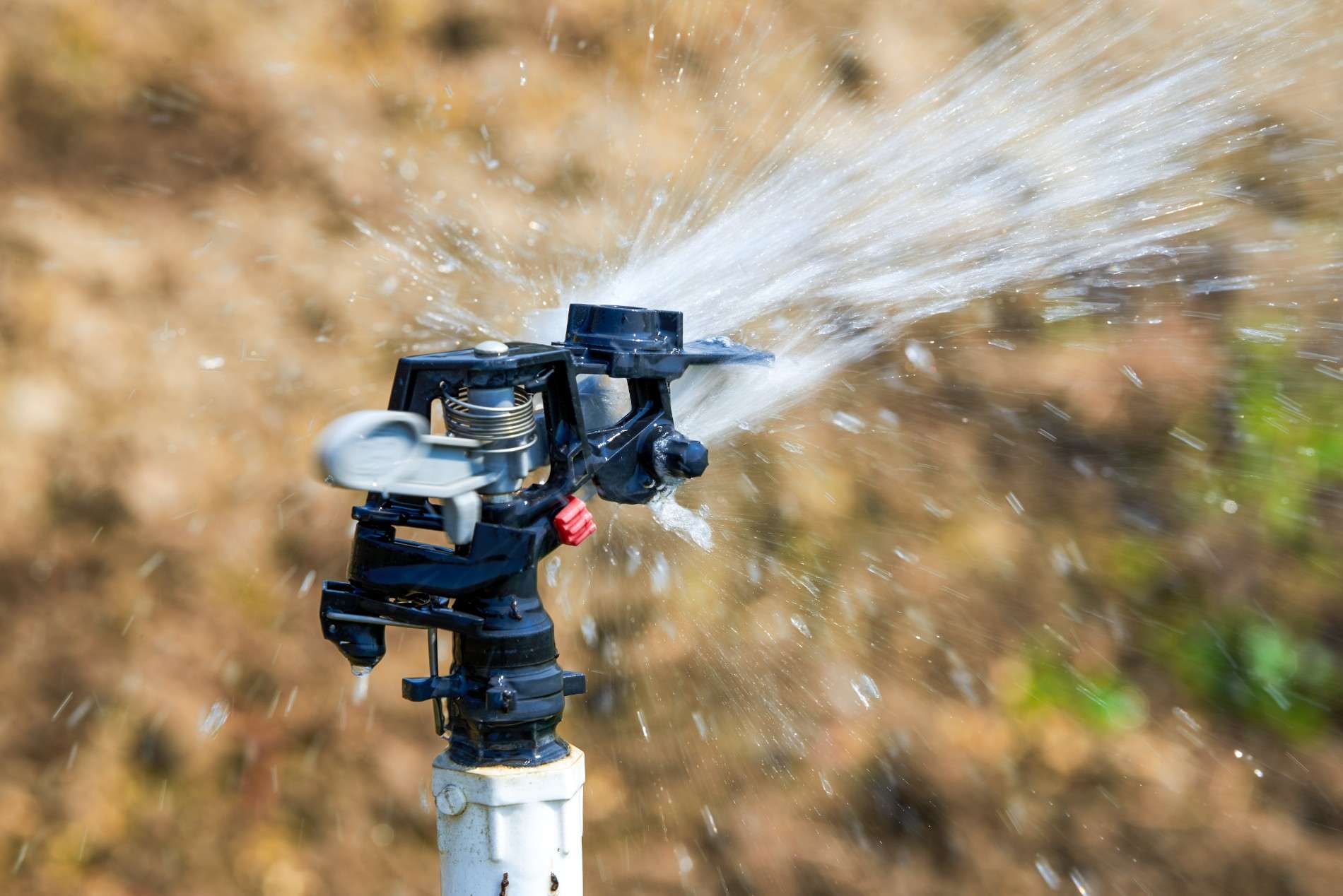
Parks irrigation water billing is how a water utility meters and bills the water a city parks department uses to irrigate fields, landscaping, and green space. These accounts usually sit on dedicated irrigation meters, follow a seasonal start-up and shut-down cycle, are typically exempt from sewer charges, and often belong to another department of the same city. Setting them up correctly means one parks account with a service point for each irrigation meter, the right irrigation rate on each, and read validation that catches leaks before a bill goes out.
A city parks department is often one of the largest water users on a municipal utility's system, yet its irrigation accounts are among the least examined. They run on large meters that sit idle half the year, they span dozens of sites, and because the customer is another city department, nobody outside the utility checks the bills. Errors on these accounts tend to persist for years.
This guide explains why parks irrigation accounts behave differently from ordinary customer accounts, which rate structures utilities use for them, how to set the accounts up, and how to catch leaks and billing errors before they reach a bill. Utilities reviewing how their billing system handles irrigation accounts can see how SMART360 utility billing software configures rates, service points, and read validation without a vendor change request.
A residential account has one meter, one rate, and steady year-round use. A parks irrigation account breaks all three assumptions. The table below shows where the differences show up.
Each difference creates a setup decision. Many meters means the account structure matters. Seasonal use means validation rules built for steady residential use will flag every spring start-up as an exception. A sewer exemption that is set up incorrectly means the parks department pays a charge it should not. And because the customer is internal, errors are rarely disputed.
The cleanest setup is one parks department account with a separate service point for each irrigation meter. Each service point should carry:
Holding all of this on the service point means a billing clerk can answer most parks questions without opening a spreadsheet. It also means a new park gets added as one more service point on an existing account, not as a new customer.
Before setting rates, a municipal utility has to settle a policy question that private utilities never face.
Do you bill your own city departments for water?
Some cities bill every department at full rates. Some bill at a reduced or cost-of-service rate. Some meter city use but never bill it. All three are legitimate policy choices, but the third carries a cost that is easy to overlook: water that is metered and not billed is still water the utility produced, treated, and pumped. In a standard water audit it is counted as authorized unbilled consumption, and if the parks meters are not read at all, the use cannot be separated from losses. Utilities working to account for every gallon should treat parks irrigation as part of their non-revenue water data management program, whether or not those accounts produce revenue.
Whatever the policy, the billing system should apply it consistently. If parks are billed at a reduced rate, that rate belongs in the rate table, not in a manual adjustment applied each cycle.
Utilities use a small set of rate structures for irrigation accounts. The right choice depends on whether the goal is cost recovery, conservation, or simplicity.
Whichever structure the utility adopts, a few decisions should be written down before configuration:
These choices come down to how the billing engine applies usage to a rate. Utilities comparing their options can review how usage-based billing works for utilities across different account classes.
Setting up parks irrigation billing follows the same sequence whether the utility is cleaning up existing accounts or moving to a new billing system.
The first step is where most of the savings come from. Parks irrigation inventories are often out of date: a park gets a new field, a contractor adds a zone, or an old meter is replaced and the record is never updated. Each missed meter is water that is either unbilled or billed to the wrong account.
Irrigation follows the growing season, and billing work follows irrigation. Planning the calendar in advance keeps start-up and shut-down from becoming a backlog of exceptions.
Winter is a useful check. A shut-down irrigation meter that records usage in January is either running when it should not, leaking, or attached to the wrong record.
Irrigation lines run underground across large open sites, so a broken pipe or stuck valve can run for weeks before anyone at the park notices.
Would you notice a broken irrigation line before the next bill?
On a monthly manual read, the first sign is often a bill many times larger than normal. With interval reads from AMI, the leak shows up within days. The signs to set as validation and alert rules include:
Routing these exceptions to a work order, and then to the parks crew, closes the loop. Utilities with smart meters can see how AMI and MDM integration connects meter reads to billing so these rules run before a bill is created.
Most parks irrigation billing errors come from setup, not from the meter. The table lists the common ones and the fix for each.
Is every park irrigation meter on a sewer-exempt rate?
If the honest answer is "probably," that is a review worth running this quarter. Sewer charges applied to irrigation water are one of the most common causes of overbilling on these accounts. A full guide to reducing billing errors and revenue leakage covers the same reconciliation approach across all account types.
SMART360 keeps accounts, service points, rates, meter reads, billing, and work orders in one database. A parks department can be set up as one account with a service point for each irrigation meter, and staff configure irrigation rates and plans in the admin interface rather than through a vendor change request. Meter reads are validated before they reach a bill, and predictive analytics flag leaks and billing anomalies, so a broken irrigation line can become a work order instead of a large bill.
Island Water Authority reached 99% billing accuracy and a 38% faster meter-to-bill cycle on SMART360. The platform is built for utilities serving 3,000 to 100,000 accounts, with go-live in 20 to 24 weeks. Utilities weighing a platform change can start with the water utility billing software guide.
Parks irrigation water billing is the way a water utility meters and bills the water a city parks department uses for irrigation. These accounts usually run on dedicated irrigation meters, follow a seasonal start-up and shut-down cycle, are typically exempt from sewer charges, and often belong to another city department.
Yes, in most cases. A dedicated irrigation meter lets the utility apply an irrigation rate and a sewer exemption to outdoor water only, while the park's restrooms and buildings stay on a domestic meter. Without one, irrigation use is billed on the domestic rate and usually carries sewer charges it should not.
Most utilities do not charge sewer on dedicated irrigation meters, because irrigation water soaks into the ground instead of returning to the sewer system. Some apply a reduced charge instead. The exemption should be set as a flag on each irrigation service point so it is applied automatically every cycle.
That is a policy choice for each city. Some bill departments at full rates, some at a reduced internal rate, and some meter the use without billing it. Even when parks water is not billed, it should be metered and read, because unmetered city use cannot be separated from water losses in the utility's water audit.
Set validation rules that flag continuous overnight flow, usage on a meter marked as shut down for winter, usage far above the same period last year, and irrigation during rainy periods. With AMI interval data these rules can catch a leak within days, and routing the exception to a work order sends it to the parks crew before the next bill.
Bynry Inc.
8 The Green STE.R,
Dover, Kent,
Delaware 19901
+1 732-630-0285
Bynry Inc.
Serene Tower, Pakharbaug
Pune, Maharashtra 411021
+91 93252-51217