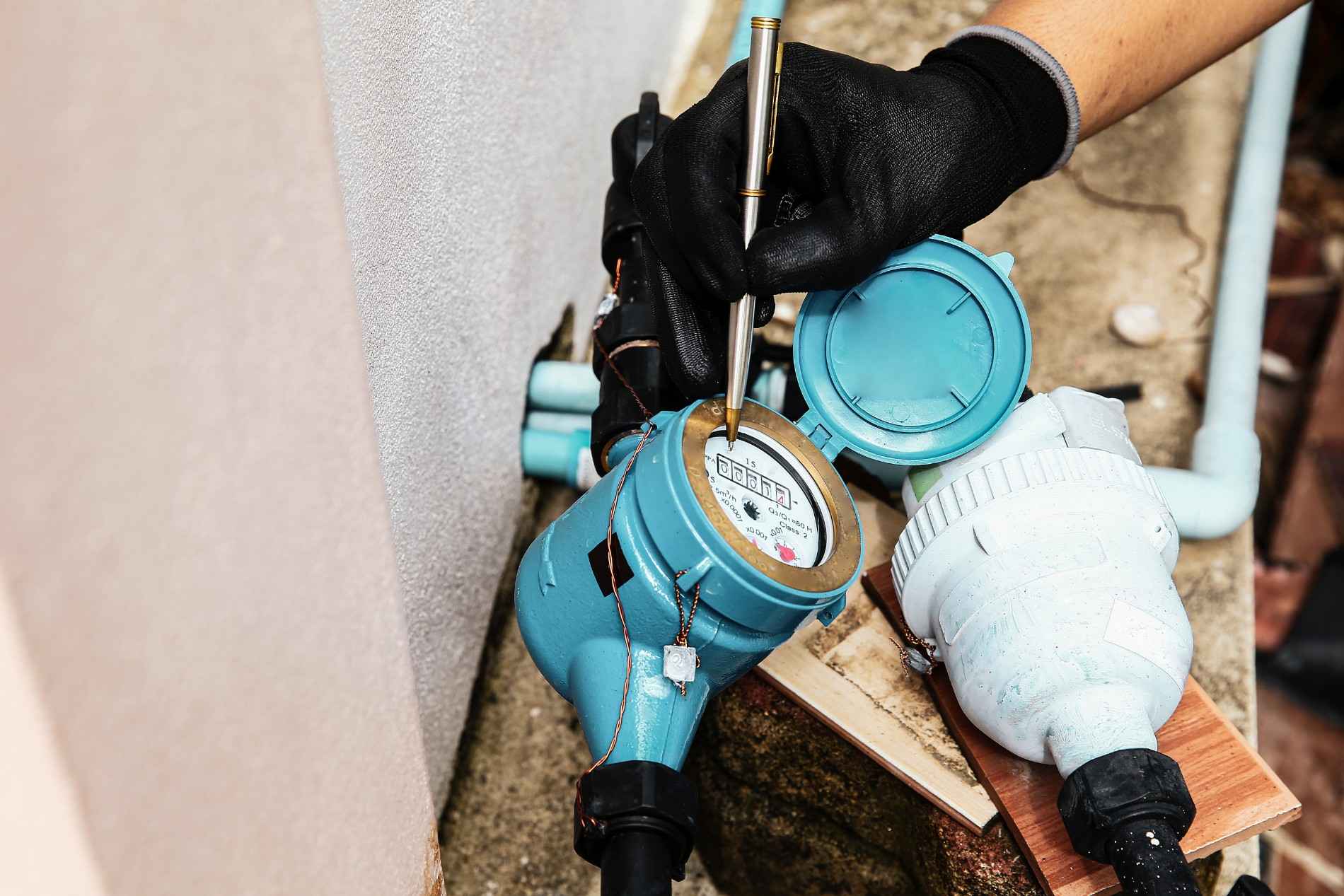




The six prepaid metering capabilities utilities need, what to have in place before launch, and how to evaluate a prepaid billing system.
For US Utilities serving 3,000-100,000 meters and for operations team, billing team and utility managers. For Heads of Billing who own collections accuracy and revenue leakage.
Prepaid metering capabilities are the billing and meter-control functions that let customers pay for utility service before they use it, then track a running balance instead of receiving a bill after the fact. A complete prepaid system handles six things: meter enrollment and activation, recharge and token management, low-balance alerts and disconnection, automatic reconnection, fraud and tamper detection, and emergency credit. Those functions sit in the utility billing platform, working with smart meters that support remote disconnect. This guide covers each capability, what you need before launch, and how to evaluate a prepaid system.
Most utilities run postpaid billing: read the meter, calculate the bill, send it, and collect payment weeks later. Prepaid reverses the order. The customer pays first, usage draws down the balance, and the system acts when the balance runs low.
The change is not only in billing. Prepaid moves part of collections into the meter and the balance engine, so the steps between the meter read and the payment work differently. How those steps work in a standard billing cycle is covered in the guide to the meter-to-cash process.
Prepaid is an option for some customers, not a replacement for postpaid billing across the whole system. It tends to fit when:
Prepaid works best as a voluntary program. Customers who choose it tend to use it well; customers moved onto it without a choice tend to generate complaints.
Can your billing system update a customer's balance as soon as they top up, or only at the next batch run?
A prepaid program depends on six functions working together. If any one is missing, staff fill the gap by hand.
The capability most often missing in older systems is instant balance updates. If a top-up posts in a nightly batch, a customer who paid at noon can still be disconnected that afternoon.
Prepaid relies on the meter, the meter data, and the payment channels as much as on billing software. Before launch, confirm each of these is in place:
The meter and meter data pieces are where most prepaid launches stall. How smart meter reads flow from AMI through meter data management into billing is covered in the guide to AMI and MDM integration.
A prepaid program is only as convenient as its top-up options. Customers need to recharge quickly, at any hour, from wherever they are. Common channels include:
Every channel has to post to the balance immediately. A channel that posts the next day is not usable for prepaid. How utilities set up and connect their payment channels is covered in the guide to utility bill payment software.
Do your state's disconnection rules apply to prepaid accounts the same way they apply to postpaid accounts?
Automated disconnection does not remove a utility's obligations to its customers. Rules vary by state and by type of utility, so confirm them with your public utility commission or governing board before launch. A prepaid system should let you configure:
If the system cannot hold these rules in configuration, staff have to watch every low-balance account by hand, which removes most of the reason to run prepaid.
Work through the launch in this order:
The step utilities most often rush is the pilot. A small volunteer group shows where alerts are unclear, where thresholds are set too high, and where a payment channel posts too slowly, before those problems reach every prepaid account.
Is prepaid a native part of the billing system, or a separate product connected to it?
When a vendor says it supports prepaid, ask questions that test how it works in practice.
The second row matters most for small and mid-size utilities. A prepaid product bolted onto a separate billing system means two account records for one customer and a connector to maintain between them. A wider list of questions for any billing evaluation is in the utility billing software evaluation checklist.
SMART360 includes prepaid metering as part of its meter data management and billing platform, so prepaid and postpaid accounts run on the same system, the same customer record, and the same rates.
SMART360 serves utilities with 3,000 to 100,000 connections at per-connection pricing, with 25+ pre-built integrations and implementation in 20 to 24 weeks. Prepaid and postpaid accounts share one customer record, one rate engine, and one set of payment channels, so a customer can move between the two without a second system.
They are the functions a utility needs to run pay-before-use service: meter enrollment and activation, recharge and token management, low-balance alerts and automatic disconnection, automatic reconnection after recharge, fraud and tamper detection, and emergency credit. Together they let customers top up a balance and let the utility manage service without a monthly bill and a separate collections process.
Smart meters with remote disconnect, frequent meter reads, meter data management to validate reads, a billing engine that calculates balances on each read, payment channels that post in real time, and customer notifications. Utilities also need to confirm how state or local disconnection rules apply to prepaid accounts before launch.
A prepaid system should let the utility configure required notice, no-disconnect periods such as weekends and holidays, weather holds, and medical or vulnerable-customer flags that block automatic disconnection. Rules vary by state and utility type, so confirm them with your commission or governing board and set them in the system before any account goes live.
Emergency credit is a small, temporary amount the system extends when a customer's balance runs low, so service continues until they can recharge. The credit is recovered automatically from the next top-up. It prevents disconnection over a small shortfall, such as at night or over a weekend.
Yes. SMART360 includes prepaid metering within its meter data management and billing platform: meter enrollment and activation, token and direct recharge with instant balance updates, low-balance alerts and automatic disconnection, automatic reconnection, fraud and tamper detection, and emergency credit. Prepaid and postpaid accounts run on the same platform and the same customer record.
Prepaid metering capabilities only help when all six work together: enrollment, instant recharge, low-balance control, automatic reconnection, tamper detection, and emergency credit. Confirm the disconnection rules, check meter readiness, set thresholds, connect real-time payment channels, and pilot with volunteers before opening enrollment. Because prepaid depends on meters that report often and disconnect remotely, it usually follows an AMI rollout, covered in the guide to AMI software for utility metering. To see SMART360's prepaid metering in a live demo, book a demo.
Bynry Inc.
8 The Green STE.R,
Dover, Kent,
Delaware 19901
+1 732-630-0285
Bynry Inc.
Serene Tower, Pakharbaug
Pune, Maharashtra 411021
+91 93252-51217