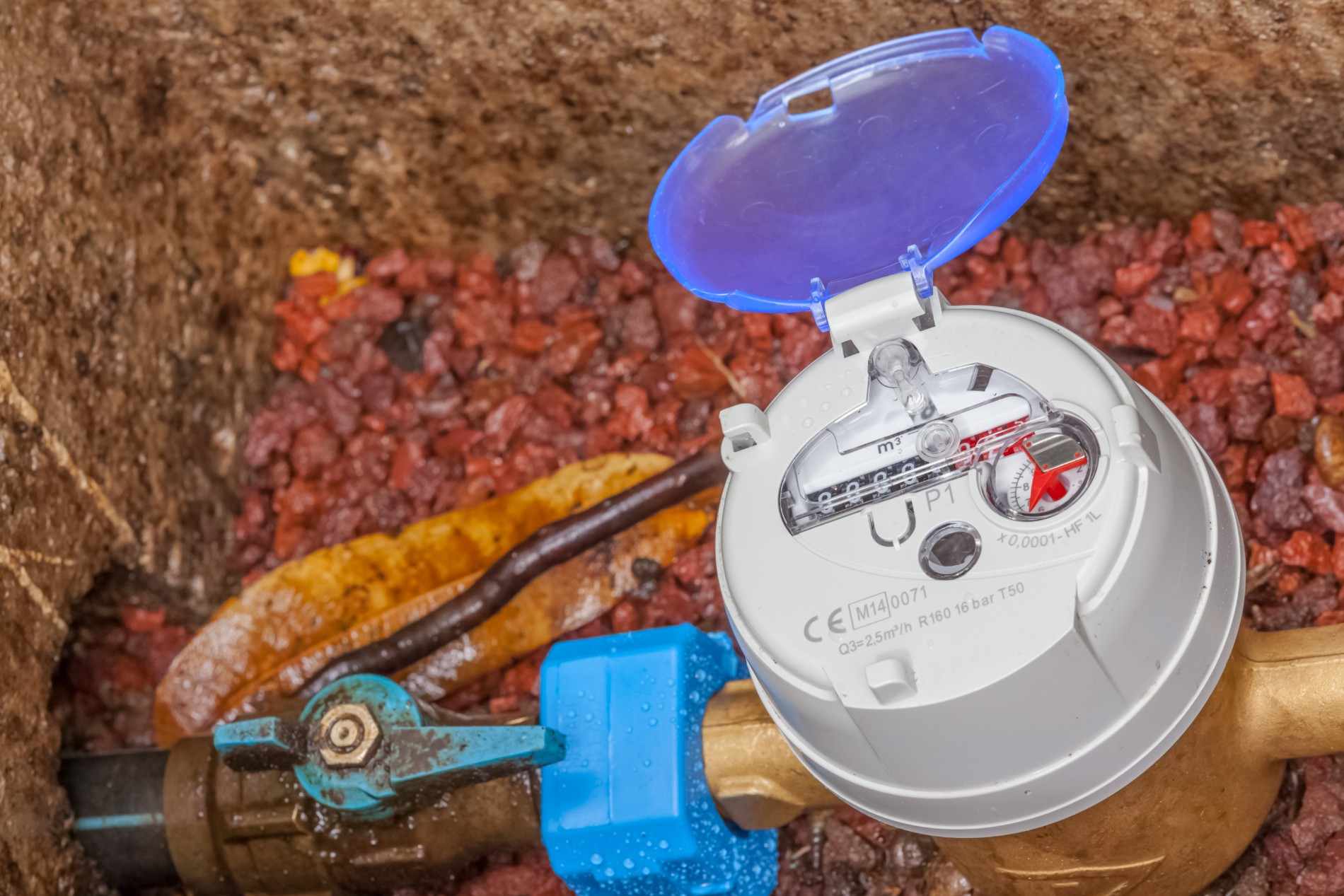


For US Utilities serving 3,000-100,000 meters and for operations team, billing team and utility managers. For Heads of Billing who own collections accuracy and revenue leakage.
VEE (validation, estimation and editing) is the rule engine inside a meter data management system (MDMS) that checks every meter read before it reaches a bill. Validation tests each read against rules such as high-usage, zero-read and days-in-period limits. Estimation fills a missing or failed read with a calculated value, and editing records any manual correction with the user, the reason and the original value.
Every read that leaves VEE carries one of three labels: validated, estimated or edited. Billing uses that label to decide what to charge and what to print on the bill. This guide explains each of the three stages, the validation rules most utilities run, the estimation methods that fill gaps, how an edit should be recorded, and what to ask a vendor about its VEE engine. It is written for billing managers, meter data analysts and operations leads at utilities serving 3,000 to 100,000 accounts. If you are comparing platforms now, the SMART360 meter data management module shows how VEE runs on manual, AMR, AMI and photo reads in one place.
VEE is the core function of a meter data management system. The broader platform, covered in the guide to meter data management systems, also handles meter registry, interval storage and the handoff to billing. VEE is the part that decides whether a read can be trusted.
The three stages always run in the same order. A read is validated first. Only reads that fail validation or never arrive move to estimation. Editing is the manual step a person takes when neither the original read nor the estimate is right.
Ontario writes this sequence into law. Under Ontario Regulation 393/07, the province's Smart Metering Entity specifies which services count as validation, estimating and editing before smart meter data becomes billing quantity data.
Most reads are correct. The small share that are wrong cause the bill complaints, the rebills and the late-night calls before a billing run. Each reading method fails in its own way, which is why the data type matters as much as the rule set. The guide to utility meter data types covers how interval, daily and event data differ.
The usual sources of a bad read:
Validation rules exist to catch each of these before billing does.
Validation compares a new read with what the system already knows: the meter's history, the account's class, the days in the period and the meter's own specifications. A read that passes every rule is marked validated. A read that fails one is held for estimation or review.
Thresholds should not be one number for the whole utility. A 40% jump means something different for a single-family home in July than for a restaurant in January. Good VEE engines let staff set thresholds by zone, meter type, customer class and season, so a hot week does not send hundreds of normal summer reads into the review queue.
When a read is missing, or fails validation and cannot be fixed before the billing run, the MDMS calculates a substitute. The estimate is always labeled as estimated, both in the system and usually on the customer's bill.
The estimate is not the end of the process. When the next real read arrives, the system compares it with the estimate and corrects the difference on the following bill. This is called a true-up. Without it, estimates compound: three estimated months in a row can leave an account far from its real consumption, and the eventual correction arrives as one large catch-up bill.
California's direct access market set separate VEE rules for interval data and monthly data in Appendix C-VEE, adopted by the CPUC in Decision 97-12-048. Splitting the two is still the right model, because interval data has gaps that a monthly register read never has.
Editing is the step a person takes when the rule engine cannot reach the right answer on its own. A technician re-reads the meter, a customer sends a dated photo, or a supervisor confirms a leak. The read is then corrected by hand.
The value of an edit depends on what is recorded with it. Every edit record should hold:
One rule separates a clean audit from a difficult one: an issued bill is never edited. If an edited read changes a bill that has already gone out, the correction should be a credit note and a rebill. The original bill stays in the record, the auditor can see both, and the customer gets a clear explanation of what changed.
The same sequence applies whether the read came from a handheld, a drive-by collector or a smart meter:
Utilities moving from manual or AMR reading to AMI run both kinds of data at once, often for years. The VEE rules are different for each. The AMI and MDM integration guide explains how interval data reaches the MDMS from the head-end.
The practical point: rules written for monthly reads will not catch interval problems, and interval rules applied to a manual route will flood the queue. A utility running both needs rule sets per read source.
Held reads land in an exception queue. How a utility works that queue decides whether VEE saves time or creates a second job. Reporting on the queue, such as a daily VEE exception report, is covered in the guide to MDMS reporting and analytics.
Practices that keep the queue manageable:
Most MDMS vendors list validation, estimation and editing as features. The differences show up in a live demo with your own data. Four questions separate a working VEE engine from a checkbox.
Can thresholds be set by customer class, meter type, zone and season without a change request?
Ask the vendor to change a high-usage threshold for one class during the demo. If it needs a ticket or a services quote, every seasonal adjustment will too.
What happens to an estimate when the next real read arrives?
The answer should be an automatic true-up on the next bill, with the estimate and the actual both kept in history.
How are corrections handled on bills that have already been issued?
Look for credit notes and rebills that keep the original bill intact, rather than edits that overwrite it.
Can one engine validate manual, AMR, AMI and photo reads with separate rules?
Utilities in the middle of an AMI rollout need both rule sets running at once, in one queue, feeding one bill.
SMART360 runs VEE on every read source a mid-sized utility uses: AMI, AMR, manual routes and photo reads taken in the field app. SMART360 Next checks every read against six validation rules: high usage, low usage, zero read, meter mismatch, days threshold and meter factor. High-usage reads are held for review rather than billed. Thresholds are set by zone, meter type, customer class and season.
Missing reads are estimated and trued up on the next real read. Every read carries a timestamp, reader ID and GPS location, and photo reads keep the photo with the record. Before each bill run, a "Can we bill?" check confirms every service is ready. Issued bills are never edited: every correction is a credit note and a rebill, with an audit trail.
Island Water Authority runs its meter-to-bill process on SMART360 and has reached 99% billing accuracy with a 38% faster meter-to-bill cycle. To see VEE run on your own read data, see SMART360 meter data management in action.
VEE stands for validation, estimation and editing. In a meter data management system, validation checks each read against rules, estimation calculates a value for missing or failed reads, and editing records manual corrections with a reason and an audit trail.
Validation decides whether a read that arrived can be trusted. Estimation creates a substitute value when a read did not arrive or failed validation and could not be resolved before billing. Validation runs on every read; estimation runs only on the exceptions.
When the next real read arrives, the MDMS compares it with the estimate and adjusts the difference on the next bill. This is called a true-up. It keeps estimates from building on each other across several periods.
The read can be corrected, but the issued bill should not be changed. The correct approach is a credit note for the original charge and a rebill using the corrected read, so both documents stay in the audit record.
Yes. Manual and AMR reads have their own errors: misread digits, skipped meters and reads keyed to the wrong account. A basic rule set of high, low, zero, register-decrease and days-in-period checks catches most of them before the bill run.
A core set of six to eight rules covers most register reads: high usage, low usage, zero read, register decrease, days threshold, meter mismatch and meter factor. Utilities with AMI add interval rules for gaps, sums and spikes. Thresholds matter more than the rule count.
Bynry Inc.
8 The Green STE.R,
Dover, Kent,
Delaware 19901
+1 732-630-0285
Bynry Inc.
Serene Tower, Pakharbaug
Pune, Maharashtra 411021
+91 93252-51217