


How smart water meters work, how to plan a utility rollout, and how interval reads reach meter data management and billing without errors.
For US Utilities serving 3,000-100,000 meters and for operations team, billing team and utility managers. For Heads of Billing who own collections accuracy and revenue leakage.
A smart water meter records water use electronically and sends reads to the utility over a radio, cellular or fixed network, so staff no longer read each meter by hand. With daily, hourly or 15-minute reads, a utility can bill from actual reads, spot possible leaks before the next bill, and show customers their usage in a portal. Most of the value from a rollout depends on how those reads reach meter data management and billing.
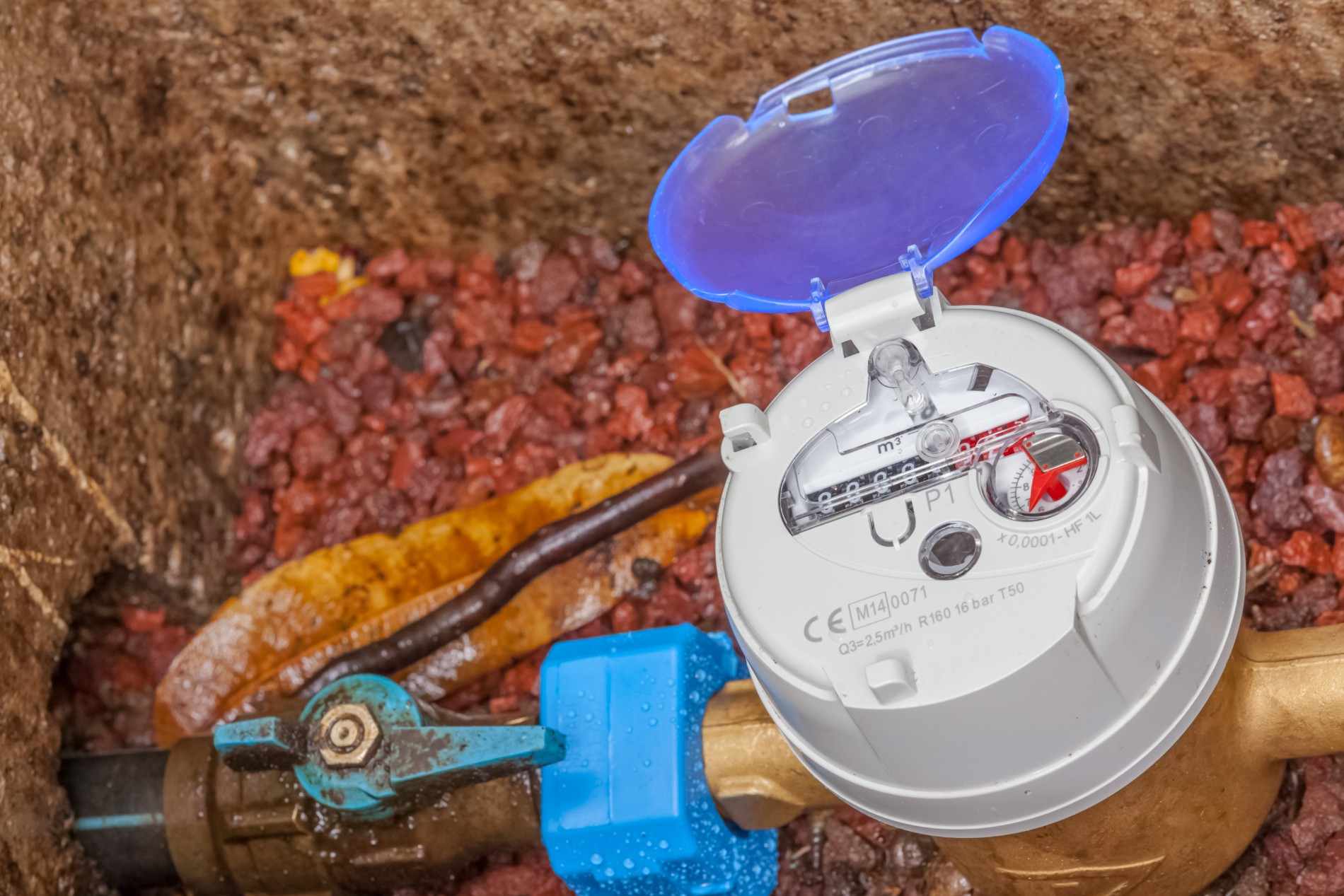
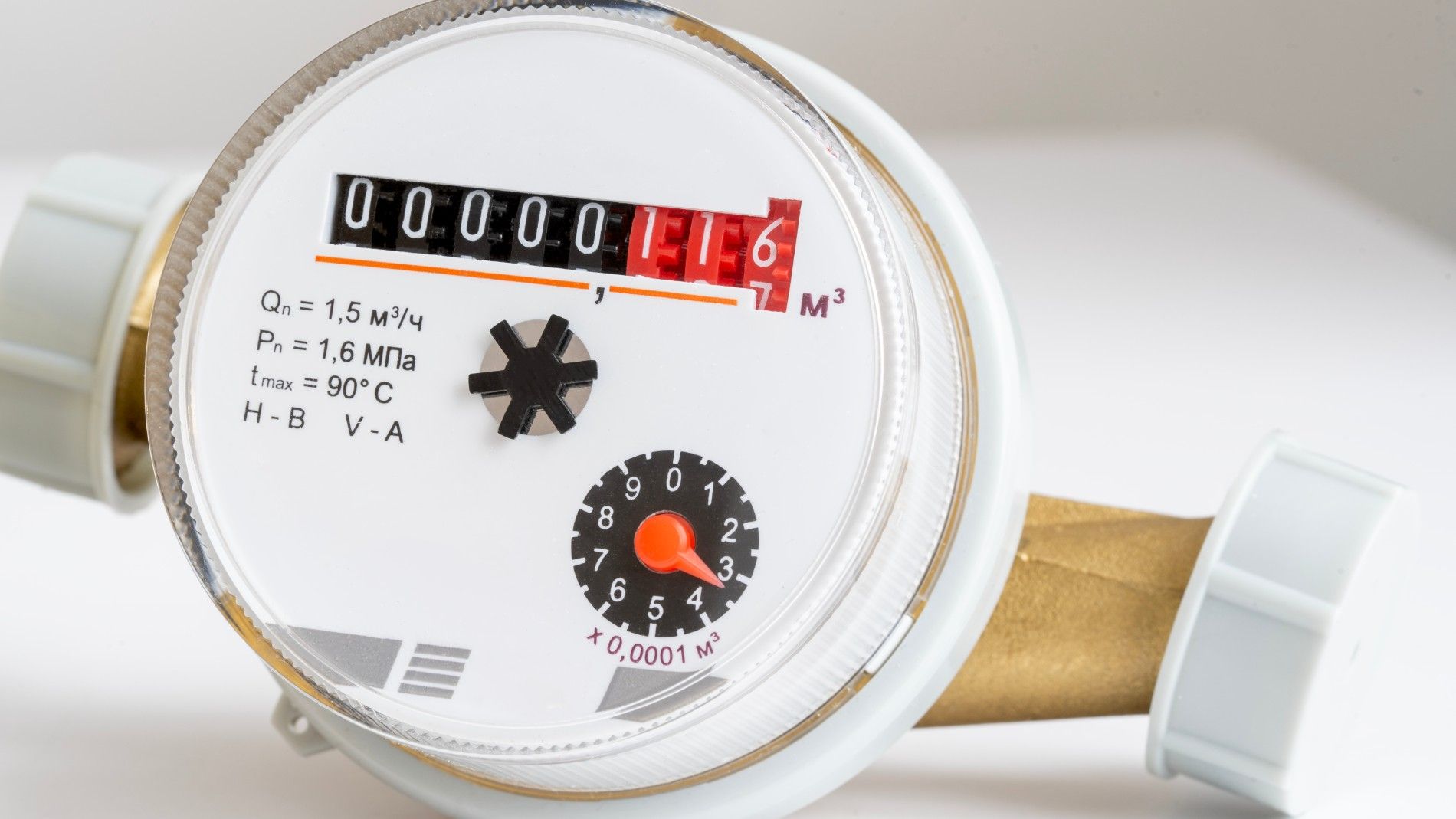
A smart water meter is a water meter with an electronic register and a communication module, so its reads travel to the utility without a meter reader at the box. Utilities also call it an AMI meter, a digital meter or an electronically read meter. Austin Water, for example, describes its new meters as transmitting water use data daily over an encrypted wireless connection on its My ATX Water page.
A smart meter is one part of a system. The full setup usually includes:
Federal guidance gives a useful benchmark for what counts as advanced. A Pacific Northwest National Laboratory report for DOE (PNNL-32074) cites the federal requirement for advanced meters that provide data at least daily and measure consumption at least hourly. The network that ties meters, communications and data systems together is advanced metering infrastructure, which the guide to what advanced metering infrastructure is covers in depth.
Is your utility replacing meters because they are old, or because you need data you cannot get today?
Most water utilities move through three stages of metering. The EPA WaterSense advanced metering infrastructure page describes the shift from walking routes to drive-by automated meter reading (AMR) to AMI, which provides remote collection of water use data in real time.
The Texas Water Resources Institute guide to adopting AMI and AMR notes that AMR can log reads as often as every 15 minutes, but that data is not available until weeks after it is recorded, so problems can go unnoticed. AMI relays the data to the utility as it is collected. If your utility already runs AMR, the guide to upgrading from AMR to AMI covers that path.
The network decides how often reads arrive, what the meter can do, and what the utility has to maintain. The TWRI guide describes these main options:
Rural systems with meters far apart often look at cellular or satellite options, while dense systems may favor a fixed network. Whatever the choice, check battery life: Austin Water reports a typical 10-year battery for its meters, and TWRI advises weighing how read frequency affects battery life. Utilities still running drive-by collection can compare options in the guide to automatic meter reading for water utilities.
The TWRI guide lists what an AMI system can provide beyond AMR. For a water utility, the practical gains are:
Leak alerts are often the benefit customers notice first. According to EPA's Fix a Leak Week page, the average household's leaks can waste more than 9,300 gallons of water a year, and nine percent of homes have leaks that waste 50 gallons or more per day. With hourly data, a utility can see water running through the night at a property and tell the customer before the next bill arrives.
Who in your utility will own the rollout: operations, billing or IT?
The TWRI guide recommends treating a conversion as a long-term commitment, since an AMI or AMR system is typically a 20 to 30 year investment. A rollout plan usually follows these steps:
Phasing installations over several years has a second benefit. TWRI notes it spreads out future replacement, so the whole meter fleet does not fail at the same time.
Residential installs are where most of the customer contact happens. Meters may be inside homes, in basements or behind fences, so crews need appointments and access. The TWRI guide lists notice tools utilities use, including:
Customers also ask about privacy. TWRI recommends explaining that smart meters record total consumption, not individual fixtures, and stating clearly who can access the data and how it is used. Some utilities offer an opt-out. Austin Water's page explains that customers who opt out keep a digital display but lose daily usage data, high-use notifications and leak alerts, and pay a charge for manual reads.
Accuracy is the other common question. Austin Water tells customers that digital meters measure water use more accurately than aging analog meters, so some will see a change in measured use after the swap. Say this before the first bill, not after.
Meters are the largest cost. The TWRI guide gives a typical split of an AMI project budget:
Every utility's numbers differ, so treat this as a planning starting point. TWRI lists the common ways to pay for a conversion: rate increases, user fees, revenue bonds, reserve capital, grants and performance contracts in which a vendor guarantees savings. It also advises comparing total cost of ownership rather than the lowest bid, since cheaper equipment and fewer services can cost more over the life of the system.
A smart meter only improves bills if its reads arrive in billing correctly. The data passes through several systems, and each handoff can fail.
The multiplier error is a real risk. TWRI explains that billing software factors reads in counts of 100 or 1,000, and a mismatch can bill 30,000 gallons instead of 300,000, or the reverse. It also notes that a meter and radio mismatch can take several billing cycles to spot, usually because old reads keep being reused. The guide to how AMI and MDM connect smart meters to billing covers that data path in more detail.
Smart meters produce far more data than monthly reads. A utility with 10,000 meters reading hourly collects about 240,000 reads a day, all of which need storing, validating and turning into one accurate bill per account. Before choosing software, ask:
Does the system connect to our AMI head-end with a pre-built integration, or does it need a custom file transfer?
Which validation rules run on every read before it reaches a bill, and who reviews the exceptions?
Can our staff flag a possible leak from interval data and notify the customer from the same account record?
Check, too, that customers will see the same usage in the portal that appears on their bill.
SMART360 by Bynry is a cloud platform for water, electric and gas utilities serving 3,000 to 100,000 accounts. Meter reads, billing, the customer portal, communications and work orders sit in one system with one database, so a read does not have to pass between separate products to become a bill.
SMART360 has 25+ pre-built integrations, including AMI and smart meter connectors for Neptune 360, Itron, Kamstrup and Sensus. Reads are validated before they reach a bill, with six validation rules on every read, and estimates are trued up on the next actual read. Predictive analytics flag possible leaks and billing anomalies so staff can follow up with the customer.
Results from utilities on the platform: Island Water Authority reached 99% billing accuracy and 38% faster meter-to-bill on SMART360, and more than 50,000 accounts are live across the platform.
A smart water meter is only as useful as the data path behind it. Set clear goals, audit meters and accounts, run a pilot, install in phases and check every billing cycle for mismatched radios and wrong multipliers. Tell residential customers what to expect before crews arrive and before the first bill. Then make sure the software that receives the reads validates them, bills from them and shows customers the same numbers.
SMART360 brings AMI reads, validation, billing and the customer portal into one platform. See SMART360 meter data management handle reads from the head-end through to the bill.
A smart water meter is a water meter with an electronic register and a communication module that sends reads to the utility automatically over a radio, cellular or fixed network. It usually records use daily, hourly or every 15 minutes, which supports accurate billing, leak alerts and customer usage portals.
The meter measures water flow and stores the reading in its register. An endpoint attached to the meter transmits the reading over the utility's network to a head-end system, which passes it to meter data management for validation and then to billing.
AMR meters send reads by radio to a vehicle or handheld device during a drive-by, so the utility gets data only when a reader passes. AMI meters send reads over a fixed or cellular network without a field visit, often daily or hourly, and two-way AMI can also receive commands such as remote shutoff.
A smart meter can show that a leak is likely, for example when water runs continuously through the night, but it cannot show where the leak is. The utility or customer still has to find and fix the source. EPA estimates the average household's leaks waste more than 9,300 gallons a year.
It depends on the meter and how often it transmits. Austin Water reports a typical 10-year battery life for its meters, and the utility replaces batteries when needed. Because the meter runs on a battery, power outages do not stop data collection.
Bynry Inc.
8 The Green STE.R,
Dover, Kent,
Delaware 19901
+1 732-630-0285
Bynry Inc.
Serene Tower, Pakharbaug
Pune, Maharashtra 411021
+91 93252-51217